SEO vs Paid Ads: Which Is Better for Business Growth?

Every business wants increased online presence which leads to growing website traffic that results in more customers. The process of determining the best allocation for their marketing budget creates obstacles which companies must overcome to achieve their goals, especially when searching for the Best Digital Marketing Services in Texas to support their growth. The company needs to decide between using search engine optimization or paid advertising as their primary

Businesses need to determine which digital marketing strategy delivers better results for their business expansion needs because both strategies exist as essential components of digital marketing. The evaluation of these strategies helps businesses to make better marketing choices because it shows how these strategies affect their website traffic and lead generation and their brand recognition.

In this blog, we will take a closer look at the pros and cons of purchasing traffic or growing traffic.

Why SEO Is Important for Long-Term Growth?

Search Engine Optimization aims to enhance a website’s ability to appear in organic search results. Search engines show users the most relevant websites when they search for products or services online. Businesses looking for the Best SEO Services Dallas often focus on improving their website optimization to achieve higher visibility. A website that has been properly optimized will achieve better search results, which helps potential customers discover the business.

SEO serves as a long-term investment because it establishes continuous website traffic which persists throughout its duration. Businesses generate website visibility through their high-quality content and optimized web pages and exceptional site performance instead of paying for individual advertising clicks.

Benefits of SEO for business growth include:

  • Consistent organic traffic from search engines, also you can see Search Engine Optimization (SEO) Starter Guide

  • Increased trust and credibility among users

  • Better user experience and website performance

  • Strong brand visibility in search results

  • Lower long-term marketing costs compared to paid ads

Although SEO requires time and consistent effort, it can create a stable flow of visitors and leads for businesses that want long-term digital growth.

When Paid Advertising Works Best?

Paid advertising, which is commonly referred to as Pay-Per-Click PPC, enables businesses to achieve instant search result visibility through paid ads. Companies looking for the Best PPC Services in Texas often use ads that target specific keywords to connect with their desired customers immediately instead of relying on organic search rankings.

This strategy works best for businesses which require immediate outcomes or which need to market particular products and services. Paid advertising enables businesses to use advanced targeting features which help them reach their ideal customers through location targeting and interest-based targeting and search behavior-based targeting.

Paid advertising is most effective when businesses want to:

  • Generate immediate website traffic

  • Promote new products or services

  • Run seasonal campaigns or limited-time offers

  • Target specific audiences or locations

  • Compete in highly competitive markets

The main limitation of paid advertising is that the traffic stops once the advertising budget ends. This makes it more suitable for short-term campaigns rather than long-term organic growth, although businesses can still reach customers and sell more with online advertising when campaigns are managed effectively.

SEO vs Paid Ads: Key Factors Businesses Should Consider

Instead of focusing only on the differences, businesses should evaluate which strategy aligns better with their marketing goals.

SEO offers advantages such as:

  • Long-term online visibility

  • Continuous organic traffic

  • Higher trust from search engine users

  • Sustainable growth for businesses

Paid advertising provides benefits like:

  • Immediate search engine visibility

  • Faster lead generation

  • Detailed audience targeting

  • Full control over campaign budgets and performance

Both strategies can play an important role depending on whether the business wants quick results or long-term authority.

The Smart Strategy: Combining SEO and Paid Ads

Many successful businesses today use a combination of both strategies rather than choosing only one. This balanced approach allows companies to gain immediate visibility while building a strong organic presence over time.

For example, businesses can use paid advertising to generate quick traffic while their SEO strategy is still developing. At the same time, investing in SEO helps create long-term rankings that continue bringing visitors even without ongoing advertising costs.

A combined strategy can help businesses:

  • Capture both short-term and long-term opportunities

  • Increase overall brand visibility in search results

  • Test high-performing keywords through paid campaigns

  • Strengthen digital marketing performance across channels

Both methods can be implemented to gain out of marketing impact and reach a larger online audience.

Conclusion

Online businesses can utilize SEO and paid advertising as their two strongest marketing resources. Businesses use SEO to develop their permanent online presence which generates steady website visitors and enables them to expand their operations.

Businesses that use both strategies together achieve better outcomes instead of selecting one particular strategy. Companies achieve immediate benefits from paid advertising while they establish a strong online presence through SEO work.
Curved Sphere provides digital marketing services which help businesses increase their online visibility and grow their customer base through measurable results. The team assists businesses to develop successful SEO and paid advertising plans which increase website visitors and create sales leads and enable their business growth.

Game-Changing Local SEO Tools You Can’t Ignore

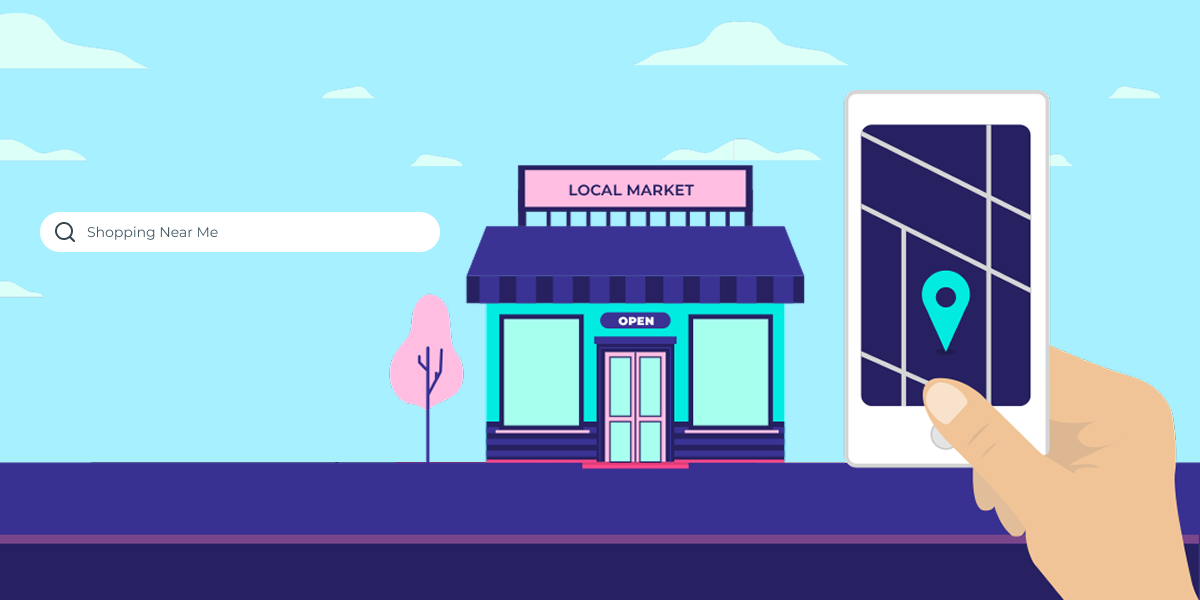
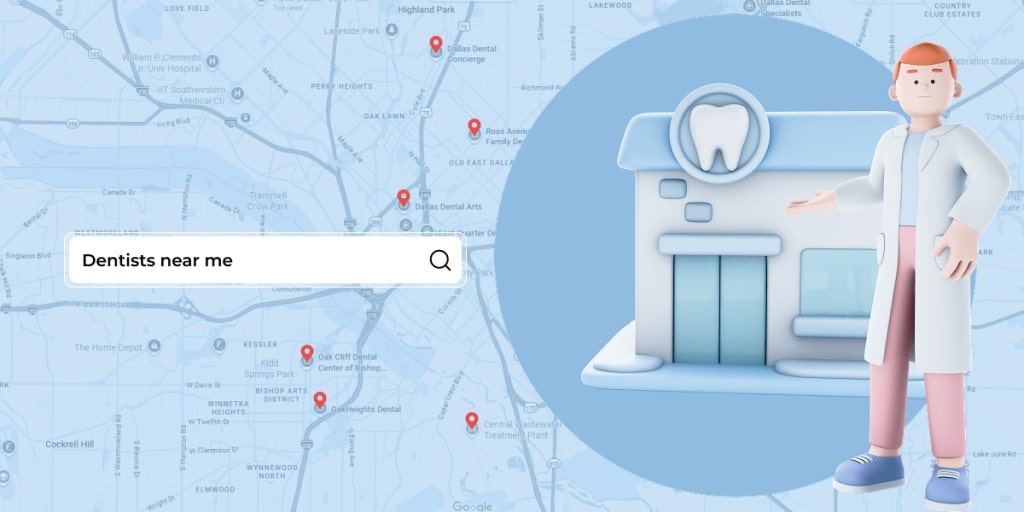
In 2026, local SEO is no longer optional for businesses that want to attract customers in their area. With the increasing use of mobile devices and “near me” searches, appearing in local search results can directly impact revenue. Businesses that dominate local search appear in Google Maps, the Local Pack, and other location-based results, giving them a competitive edge.

However, optimizing for local SEO requires more than just creating a Google Business Profile. It involves managing accurate listings, monitoring reviews, analyzing competitors, and tracking rankings across multiple locations. Partnering with the best SEO services in Dallas or using the right tools can simplify these tasks and provide actionable insights. This guide highlights 11 essential local SEO tools that businesses should consider to improve visibility, increase customer engagement, and drive more leads.

1. Semrush Local

Semrush Local is an advanced tool for businesses and agencies managing multiple locations. It extends the traditional SEO features of Semrush with local-specific functionalities.

Benefits:

  • Centralized management of business listings across directories

  • Local rank tracking by city or ZIP code for hyper-local analysis

  • Review monitoring to protect online reputation

  • Competitor insights for strategic planning

Semrush Local is particularly valuable for franchises or multi-location businesses that need consistent visibility in local search results.

2. BrightLocal

BrightLocal is designed specifically for small and medium-sized businesses. It focuses on citations, reviews, and local rankings.

Benefits:

  • Tracks and maintains accurate business listings across directories

  • Monitors and responds to reviews efficiently

  • Generates detailed local ranking reports

  • Provides actionable analytics for local SEO optimization

Its simplicity and focused tools make it ideal for business owners without extensive SEO expertise.

3. Google Business Profile (GBP)

Google Business Profile is the cornerstone of local SEO. A well-optimized profile increases visibility in Google Maps and Local Pack searches.

Benefits:

  • Ensures your business appears in relevant local searches

  • Enables posting updates, offers, and images to engage customers

  • Provides insights on customer interactions and search performance

  • Builds trust and credibility with potential clients

Maintaining an optimized GBP profile is essential for any business looking to capture local customers.

4. Local Falcon

Local Falcon offers a unique geographic visualization of search rankings. It shows how a business ranks in specific neighborhoods within a city.

Benefits:

  • Visualizes rankings across a grid for different locations

  • Identifies areas requiring SEO improvements

  • Compares performance with competitors in each region

  • Helps plan localized marketing campaigns

Local Falcon’s heatmaps provide clear, actionable insights for location-specific SEO strategy.

5. Moz Local

Moz Local helps businesses maintain consistent and accurate information across online directories.

Benefits:

  • Synchronizes Name, Address, and Phone (NAP) information

  • Monitors reviews and reputation

  • Alerts for duplicate or incorrect listings

  • Enhances local search visibility through consistent data

Consistency across directories is critical for search engines to trust your business information.

6. Localo

Localo provides AI-driven guidance to improve local SEO performance and manage tasks efficiently.

Benefits:

  • Step-by-step action plans for local SEO optimization

  • Audits Google Business Profiles for improvement opportunities

  • Detects unauthorized or incorrect profile changes

  • Offers AI-based recommendations to boost rankings

Localo is suitable for businesses looking for automated guidance without deep SEO expertise.

7. Yext

Yext focuses on digital knowledge management, ensuring your business information is accurate and consistent across platforms.

Benefits:

  • Real-time updates across multiple directories

  • Monitors and tracks reviews and customer feedback

  • Provides performance analytics for multi-location businesses

  • Supports API integrations for large-scale management

Yext is ideal for franchises or businesses with numerous locations needing uniform visibility.

8. Search Atlas

Search Atlas integrates AI tools for analyzing local SEO performance alongside competitor insights.

Benefits:

  • Tracks rankings for hyper-local keywords

  • Provides competitor analysis in specific locations

  • Recommends AI-based content improvements

  • Generates custom dashboards for monitoring performance

Search Atlas is especially useful for businesses seeking data-driven local content strategies.

9. Local Dominator

Local Dominator combines rank tracking, citation management, and SERP monitoring in a single platform.

Benefits:

  • Measures visibility in local SERPs

  • Tracks Share of Voice in specific regions

  • Consolidates reporting for multiple locations

  • Provides insights to refine local SEO campaigns

This tool is useful for agencies and businesses managing multiple local profiles simultaneously.

10. Google Search Console & Google Analytics 4

While not strictly local SEO tools, GSC and GA4 are essential for understanding how local users interact with your website.

Benefits:

  • Tracks clicks, impressions, and local keyword performance

  • Provides geographic insights for location-specific optimization

  • Helps refine content and marketing strategies

  • Monitors website performance and user behavior

These platforms offer foundational insights to guide broader local SEO efforts.

11. PinMeTo

PinMeTo specializes in real-time synchronization of business listings across multiple platforms.

Benefits:

  • Ensures accurate business information everywhere

  • Monitors reviews and online reputation

  • Supports multi-location management efficiently

  • Provides performance analytics for directories and maps

PinMeTo helps businesses automate the management of their digital presence, saving time while maintaining consistency.

Conclusion

Local SEO requires strategic planning, consistent execution, and monitoring. These 11 tools cover every aspect of local SEO, from managing listings and monitoring reviews to tracking rankings and analyzing competitors. Businesses that leverage these tools effectively can achieve higher visibility in local search results, attract more customers, and maintain a competitive advantage in 2026.