
For years, SEO was treated as a traffic game. Rank higher, get more clicks, and results would follow. But many businesses have learned that traffic alone doesn’t create leads or sales. When SEO focuses on broad, non-intent keywords, it attracts visitors who are researching, not buying.
That’s why choosing the Best SEO services Dallas can make a huge difference.
In this blog, we’ll break down how AI-driven SEO fixes this gap by focusing on intent, behavior, and decision-making, turning search traffic into paying customers.
1. Why SEO Alone Doesn’t Convert Anymore
Traditional SEO focused mainly on rankings and traffic volume. While that approach increased visibility, it often failed to generate real leads or sales.
- Old SEO prioritized keywords and rankings, not buyer intent.
- High-traffic keywords brought visitors who were researching, not ready to buy.
- Success was measured in clicks and impressions, not conversions.
- Content was created to rank, not to guide users toward action.
- Businesses saw traffic growth but little revenue impact.
2. What “AI-Driven SEO” Actually Means
AI-driven SEO doesn’t replace marketers or strategy. It helps teams make better decisions by understanding search behavior at a deeper level.
- Uses data and pattern analysis to spot trends humans may miss.
- Identifies why users search, not just what they search.
- Helps separate informational traffic from high-intent opportunities.
- Supports smarter keyword selection and content planning.
- Improves decisions around timing, messaging, and page focus.
- Human experience still drives strategy, AI strengthens execution.
3. How Google SERP Content Reveals Search Intent
Google doesn’t show the same type of content for every search. The format of results on the SERP clearly signals what users are trying to achieve.
- Blog articles and guides usually indicate informational intent.
- Comparison pages, lists, and “best” articles signal commercial intent.
- Service pages and product pages show transactional intent.
- Featured snippets often appear for learning-focused searches.
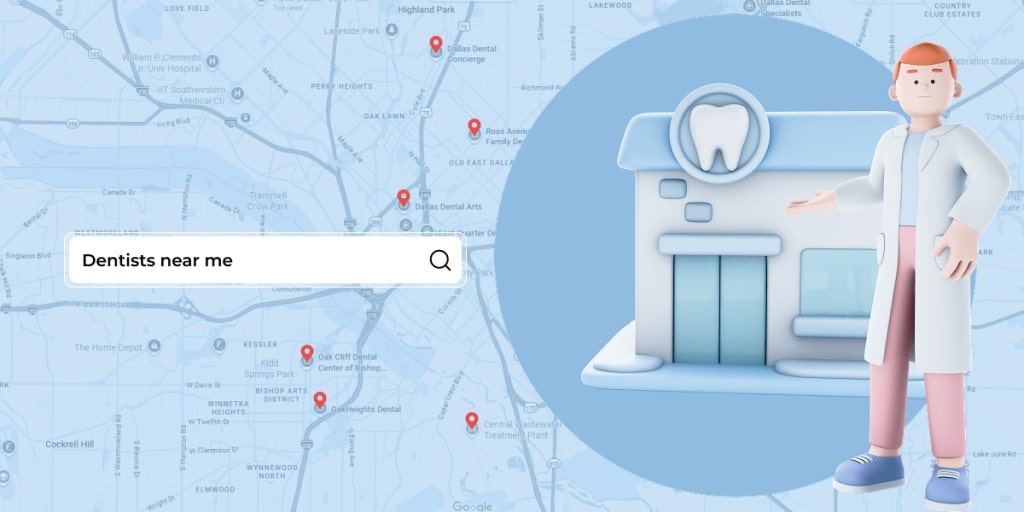
- Local packs and map results indicate immediate action intent.
- Videos and visuals suggest users want quick explanations.
- Google adjusts SERP layouts based on what helps users decide faster.
4. Why Search Intent Drives Conversions?
Not every keyword brings customers. Some searches are meant for learning, while others signal buying intent. AI helps identify which searches lead to decisions by analyzing SERP behavior, patterns, and user actions.
- Traffic without intent creates visibility, not revenue.
- High-intent searches indicate readiness to compare, contact, or purchase.
- SEO converts when keywords match decision-stage behavior.
Different search intents carry very different conversion potential, which is why intent-based keyword mapping matters more than raw traffic volume.
| Intent Category | What the User Is Trying to Do | Example Search | Conversion Potential |
|---|---|---|---|
| Discovery Intent | Get ideas or inspiration | Modern living room furniture ideas | Low |
| Research Intent | Learn options and features | Solid wood vs engineered wood sofa | Medium |
| Comparison Intent | Compare brands or stores | Best sofa brands for apartments | Very High |
| Purchase Intent | Ready to buy or visit store | Buy wooden sofa near me | Very High |
5. How AI Helps Match Content to Buyer Thinking
AI-driven insights help identify what buyers want to know before they make a decision. This allows content to answer the right questions at the right stage.
- Identifies buyer concerns like pricing, comparisons, and trust signals.
- Aligns content with decision-stage thinking, not just search terms.
- Helps reduce uncertainty, making it easier for users to take action.
6. From Click to Conversion: Where Most Websites Lose Customers
- Mobile experience breaks first: slow load, layout shifts, hard-to-tap buttons, or annoying forms.
- Messaging isn’t clear in the first few seconds, so users don’t know what to do next.
- Page structure is messy (too much text, no visual hierarchy), which kills momentum.
- CTAs are weak, hidden, or repeated without explaining the value.
- Trust signals are missing (reviews, proof, guarantees), so users hesitate and leave.
7. Why AI SEO Still Needs Human Strategy
AI can analyze data at scale, but it doesn’t understand business priorities, market nuance, or customer behavior on its own. Human strategy is what connects AI insights to real-world SEO execution and revenue outcomes.
- Technical SEO decisions (site structure, Core Web Vitals, crawlability) still require human judgment to prioritize what actually impacts conversions.
- Local SEO needs strategy beyond data, location pages, intent mapping, and proximity signals must align with how customers search locally.
- Tracking and measurement require human setup and interpretation to connect SEO efforts with leads, calls, and revenue.
- Optimization decisions depend on business context, not just performance data.
- AI highlights opportunities, but humans decide what to fix, what to scale, and what to ignore.
8. What Businesses Actually Gain from AI-Driven SEO
When done correctly, AI-driven SEO delivers more than rankings. It creates measurable business impact instead of guesswork.
- Higher-quality leads by targeting users with real buying intent.
- Better conversion rates through intent-matched content and pages.
- Reduced wasted traffic from low-value, non-converting searches.
- Clear visibility into what’s working through tracking and optimization.
- SEO becomes a predictable growth system, not a trial-and-error channel.
9. Final Thoughts: SEO That Works Like a Sales System
AI-driven SEO works best when it’s treated as part of the sales funnel, not as a standalone tactic. The goal isn’t to bring in more visitors, but to attract the right visitors and guide them toward action. When AI insights are combined with human strategy, Curved Sphere helps SEO move beyond rankings and into a long-term revenue engine that supports real business growth.
Frequently Asked Questions (FAQs)
What is AI-driven SEO?
AI-driven SEO uses data analysis and machine learning to better understand search behavior, intent, and patterns. It helps identify what users are actually looking for, while human strategy decides how to turn those insights into results.
Is AI-driven SEO better than traditional SEO?
AI-driven SEO is more effective because it focuses on intent, behavior, and conversion potential instead of just rankings and traffic. Traditional SEO often brings visibility, but AI-driven SEO helps turn that visibility into leads and sales.
Can AI-driven SEO work for small businesses?
Yes. In fact, small businesses often benefit the most because AI helps prioritize high-intent keywords and local opportunities, reducing wasted traffic and focusing on searches that actually convert.
Does AI-driven SEO replace human SEO experts?
No. AI supports SEO by analyzing data and patterns, but human expertise is still required to set strategy, understand business goals, manage technical SEO, local SEO, and optimize for conversions.
How long does it take to see results from AI-driven SEO?
Results depend on competition, website quality, and execution. Many businesses start seeing better lead quality and engagement within a few months, while long-term growth builds steadily over time.
Is AI-driven SEO only about content?
No. It also supports technical SEO, local SEO, tracking, and ongoing optimization. Content is important, but performance depends on how all SEO elements work together.
How do you measure success in AI-driven SEO?
Success is measured through qualified leads, conversions, engagement, and revenue impact, not just rankings or traffic volume.