
How AI-Driven SEO Turns Visitors into Paying Customers

For years, SEO was treated as a traffic game. Rank higher, get more clicks, and results would follow. But many businesses have learned that traffic alone doesn’t create leads or sales. When SEO focuses on broad, non-intent keywords, it attracts visitors who are researching, not buying.

That’s why choosing the Best SEO services Dallas can make a huge difference.

In this blog, we’ll break down how AI-driven SEO fixes this gap by focusing on intent, behavior, and decision-making, turning search traffic into paying customers.


 1. Why SEO Alone Doesn’t Convert Anymore 

Traditional SEO focused mainly on rankings and traffic volume. While that approach increased visibility, it often failed to generate real leads or sales. 

  • Old SEO prioritized keywords and rankings, not buyer intent.
  • High-traffic keywords brought visitors who were researching, not ready to buy.
  • Success was measured in clicks and impressions, not conversions.
  • Content was created to rank, not to guide users toward action.
  • Businesses saw traffic growth but little revenue impact.


2. What “AI-Driven SEO” Actually Means

AI-driven SEO doesn’t replace marketers or strategy. It helps teams make better decisions by understanding search behavior at a deeper level. 

  • Uses data and pattern analysis to spot trends humans may miss.
  • Identifies why users search, not just what they search.
  • Helps separate informational traffic from high-intent opportunities.
  • Supports smarter keyword selection and content planning.
  • Improves decisions around timing, messaging, and page focus.
  • Human experience still drives strategy, AI strengthens execution.


3. How Google SERP Content Reveals Search Intent

Google doesn’t show the same type of content for every search. The format of results on the SERP clearly signals what users are trying to achieve. 

  • Blog articles and guides usually indicate informational intent.
  • Comparison pages, lists, and “best” articles signal commercial intent.
  • Service pages and product pages show transactional intent.
  • Featured snippets often appear for learning-focused searches.
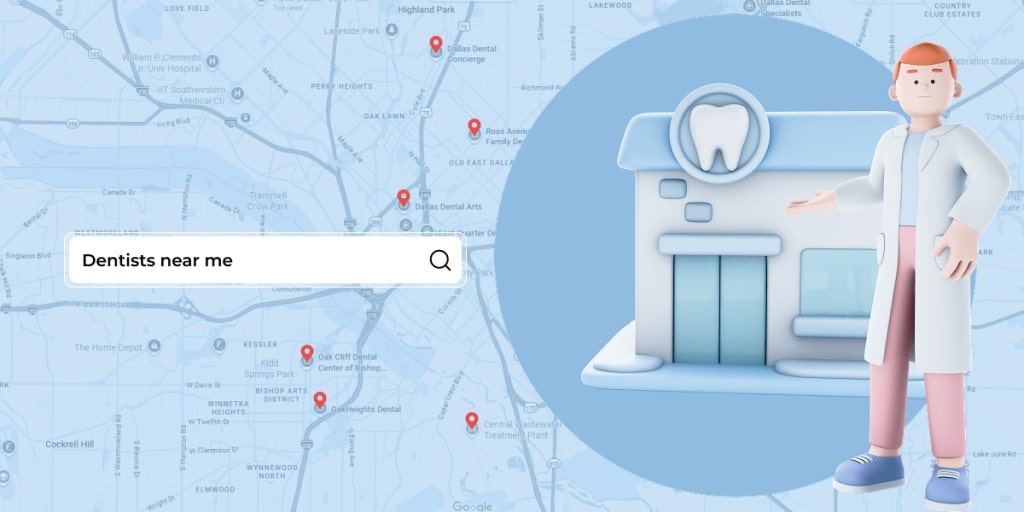
  • Local packs and map results indicate immediate action intent.
  • Videos and visuals suggest users want quick explanations.
  • Google adjusts SERP layouts based on what helps users decide faster.


4. Why Search Intent Drives Conversions?

Not every keyword brings customers. Some searches are meant for learning, while others signal buying intent. AI helps identify which searches lead to decisions by analyzing SERP behavior, patterns, and user actions. 

  • Traffic without intent creates visibility, not revenue.
  • High-intent searches indicate readiness to compare, contact, or purchase.
  • SEO converts when keywords match decision-stage behavior.

Different search intents carry very different conversion potential, which is why intent-based keyword mapping matters more than raw traffic volume.

Intent CategoryWhat the User Is Trying to DoExample SearchConversion Potential
Discovery IntentGet ideas or inspirationModern living room furniture ideasLow
Research IntentLearn options and featuresSolid wood vs engineered wood sofaMedium
Comparison IntentCompare brands or storesBest sofa brands for apartmentsVery High
Purchase IntentReady to buy or visit storeBuy wooden sofa near meVery High


5. How AI Helps Match Content to Buyer Thinking

AI-driven insights help identify what buyers want to know before they make a decision. This allows content to answer the right questions at the right stage. 

  • Identifies buyer concerns like pricing, comparisons, and trust signals.
  • Aligns content with decision-stage thinking, not just search terms.
  • Helps reduce uncertainty, making it easier for users to take action.


6. From Click to Conversion: Where Most Websites Lose Customers 

  • Mobile experience breaks first: slow load, layout shifts, hard-to-tap buttons, or annoying forms. 
  • Messaging isn’t clear in the first few seconds, so users don’t know what to do next. 
  • Page structure is messy (too much text, no visual hierarchy), which kills momentum. 
  • CTAs are weak, hidden, or repeated without explaining the value. 
  • Trust signals are missing (reviews, proof, guarantees), so users hesitate and leave.


7. Why AI SEO Still Needs Human Strategy

AI can analyze data at scale, but it doesn’t understand business priorities, market nuance, or customer behavior on its own. Human strategy is what connects AI insights to real-world SEO execution and revenue outcomes. 

  • Technical SEO decisions (site structure, Core Web Vitals, crawlability) still require human judgment to prioritize what actually impacts conversions.
  • Local SEO needs strategy beyond data, location pages, intent mapping, and proximity signals must align with how customers search locally.

  • Tracking and measurement require human setup and interpretation to connect SEO efforts with leads, calls, and revenue.
  • Optimization decisions depend on business context, not just performance data.
  • AI highlights opportunities, but humans decide what to fix, what to scale, and what to ignore.


8. What Businesses Actually Gain from AI-Driven SEO

When done correctly, AI-driven SEO delivers more than rankings. It creates measurable business impact instead of guesswork. 

  • Higher-quality leads by targeting users with real buying intent.
  • Better conversion rates through intent-matched content and pages.
  • Reduced wasted traffic from low-value, non-converting searches.
  • Clear visibility into what’s working through tracking and optimization.
  • SEO becomes a predictable growth system, not a trial-and-error channel.


9. Final Thoughts: SEO That Works Like a Sales System

AI-driven SEO works best when it’s treated as part of the sales funnel, not as a standalone tactic. The goal isn’t to bring in more visitors, but to attract the right visitors and guide them toward action. When AI insights are combined with human strategy, Curved Sphere helps SEO move beyond rankings and into a long-term revenue engine that supports real business growth.

Frequently Asked Questions (FAQs) 

What is AI-driven SEO? 

AI-driven SEO uses data analysis and machine learning to better understand search behavior, intent, and patterns. It helps identify what users are actually looking for, while human strategy decides how to turn those insights into results. 


Is AI-driven SEO better than traditional SEO? 

AI-driven SEO is more effective because it focuses on intent, behavior, and conversion potential instead of just rankings and traffic. Traditional SEO often brings visibility, but AI-driven SEO helps turn that visibility into leads and sales. 


Can AI-driven SEO work for small businesses? 

Yes. In fact, small businesses often benefit the most because AI helps prioritize high-intent keywords and local opportunities, reducing wasted traffic and focusing on searches that actually convert. 


Does AI-driven SEO replace human SEO experts? 

No. AI supports SEO by analyzing data and patterns, but human expertise is still required to set strategy, understand business goals, manage technical SEO, local SEO, and optimize for conversions. 


How long does it take to see results from AI-driven SEO? 

Results depend on competition, website quality, and execution. Many businesses start seeing better lead quality and engagement within a few months, while long-term growth builds steadily over time. 


Is AI-driven SEO only about content? 

No. It also supports technical SEO, local SEO, tracking, and ongoing optimization. Content is important, but performance depends on how all SEO elements work together. 


How do you measure success in AI-driven SEO? 

Success is measured through qualified leads, conversions, engagement, and revenue impact, not just rankings or traffic volume. 

AI Tools Transforming SEO in 2026

The digital marketing landscape is changing faster than ever, and SEO is at the forefront of this evolution. Businesses in Texas are increasingly relying on the best digital marketing services in Texas to stay ahead of competitors, attract qualified leads, and improve their online presence. In 2026, artificial intelligence (AI) has become a game-changer for SEO, allowing marketers to analyze data, optimize content, and make strategic decisions with unprecedented speed and accuracy.

At Curved Sphere, we understand the importance of leveraging AI tools to create smarter, faster, and more effective SEO strategies. These tools help businesses enhance visibility, drive traffic, and maintain a competitive edge in a crowded digital landscape. In this guide, we’ll explore the top AI-powered SEO tools of 2026, what they do, and why they are essential for modern digital marketing.

1. Surfer SEO – AI-Driven Content Optimization

Overview: Surfer SEO is an AI-powered tool that analyzes the top-ranking pages for any keyword and provides data-driven recommendations to improve your content.

Key Features:

  • Content structure analysis

  • Keyword density and placement suggestions

  • SERP comparison and competitive analysis

Why It Matters: Surfer SEO saves hours of manual research by showing exactly how to structure your content to match what Google prefers. For example, if you want to rank for “AI tools for SEO,” Surfer SEO will analyze the top 10 pages and recommend word count, headings, and related terms to include.

Use Case: Businesses can create blogs, landing pages, or service pages that are fully optimized without guessing what Google wants, improving ranking potential significantly.

2. Ahrefs – AI for Keyword and Backlink Insights

Overview: Ahrefs is a comprehensive SEO tool that now integrates AI to improve keyword research, backlink analysis, and competitor insights.

Key Features:

  • Keyword difficulty scoring

  • Competitor backlink tracking

  • AI-powered keyword predictions

Why It Matters: Understanding what keywords competitors rank for and identifying potential backlink opportunities allows marketers to target traffic effectively. The AI features in Ahrefs now predict which keywords are likely to perform best, saving time on trial-and-error approaches.

Use Case: A Texas-based business can analyze competitors in their industry, discover high-performing keywords, and plan content or outreach campaigns that attract the right audience.

3. ChatGPT / OpenAI – AI for Content Creation

Overview: AI language models like ChatGPT can assist in content generation, meta descriptions, FAQs, and even entire blog drafts.

Key Features:

  • Generate SEO-friendly content quickly

  • Create ideas for headings, titles, and meta tags

  • Rewriting and summarizing content

Why It Matters: Producing high-quality content consistently is challenging. With AI, businesses can maintain a steady flow of relevant, readable content optimized for search engines.

Use Case: Curved Sphere uses AI to draft initial versions of blogs or service pages, which are then refined by human writers to ensure accuracy, brand voice, and readability. This speeds up content creation without sacrificing quality.

4. Clearscope – Optimize Content for Search Intent

Overview: Clearscope helps marketers ensure their content is fully optimized for both users and search engines.

Key Features:

  • Keyword suggestions based on search intent

  • Content grading and scoring

  • Readability checks

Why It Matters: Google increasingly favors content that matches search intent. Clearscope ensures that every piece of content answers user queries comprehensively and naturally.

Use Case: For a Texas-based digital marketing agency, using Clearscope ensures that blogs and service pages rank higher and engage readers effectively.

5. SEMRush with AI Add-Ons – Predictive SEO

Overview: SEMRush has evolved with AI add-ons that provide predictive keyword analysis, competitor monitoring, and real-time site audits.

Key Features:

  • Predictive keyword trends

  • AI-powered competitor analysis

  • SEO audit automation

Why It Matters: Staying ahead of trends is crucial in digital marketing. SEMRush with AI helps identify emerging keywords and gaps in your SEO strategy before competitors do.

Use Case: Businesses in Texas can adapt to search trends faster, ensuring their content remains relevant and competitive.

6. MarketMuse – AI for Content Strategy

Overview: MarketMuse uses AI to perform deep content research, identify gaps, and suggest semantically related topics to boost authority.

Key Features:

  • Content gap analysis

  • Topic and subtopic recommendations

  • Semantic keyword optimization

Why It Matters: MarketMuse helps build authoritative content clusters that search engines love, improving domain authority and topical relevance.

Use Case: Curved Sphere leverages MarketMuse to plan blogs, service pages, and pillar content that dominates niche topics in Texas markets.

7. Frase AI – For SEO and FAQs

Overview: Frase AI use to create content briefs, optimize for featured snippets, and generate FAQ sections.

Key Features:

  • Automated content briefs

  • AI-generated FAQs

  • Optimized headings and summaries

Why It Matters: Featured snippets and structured content improve CTR and search visibility. Frase ensures your content is ready for voice search and snippet opportunities.

Use Case: Businesses targeting local searches in Texas can improve their visibility for “near me” queries and FAQ-rich snippets.

Conclusion

AI tools are no longer optional they are essential for SEO success in 2026. From content creation to keyword analysis, site audits, and competitor research, these tools enable businesses to make smarter, faster decisions.

By partnering with Curved Sphere, a leader in digital marketing, you can leverage these AI-powered SEO tools to increase visibility, attract more leads, and outperform competitors. Whether you’re a small business in Dallas, Houston, or Austin, integrating AI into your SEO strategy ensures your website remains ahead of the curve and fully optimized for search engines.

How to Win SEO Using AI-Driven Search Strategies?

Search is no longer just about keywords and backlinks. With AI-powered search engines, zero-click results, and conversational queries becoming the norm, brands that fail to adapt will struggle to stay visible. At Curved Sphere, we help businesses stay ahead by using AI-driven SEO strategies that align with how modern search engines think, learn, and rank.

This guide explains how you can win SEO by leveraging artificial intelligence the smart way.

What Are AI-Driven SEO Strategies?

AI-driven SEO strategies use artificial intelligence, machine learning, and data automation to optimize websites for search engines more efficiently and accurately. Instead of relying only on manual keyword research or outdated tactics, AI helps analyze user intent, predict trends, and personalize search experiences.

At Curved Sphere, we combine human expertise with AI insights to create scalable, future-ready SEO systems.

How AI Is Transforming Search Engines?

Search engines now prioritize:

  • Search intent over exact keywords
  • Contextual understanding of queries
  • User experience signals like engagement and satisfaction
  • AI-generated answers and summaries (zero-click searches)

This shift means SEO is no longer about ranking pages only—it’s about becoming a trusted data source for AI-driven search results.

Core AI-Driven SEO Strategies That Work

1. Intent-Based Keyword Optimization

AI tools analyze search behavior to understand why users search, not just what they search.

Curved Sphere focuses on:

  • Informational intent
  • Commercial intent
  • Transactional intent

Example:
Instead of targeting only the keyword “SEO services”, we optimize separate pages for:

  • What are AI-driven SEO strategies? (informational)
  • Best AI SEO agency (commercial)
  • Hire AI SEO experts (transactional)

This increases relevance and improves rankings across multiple funnel stages.

2. Content Optimization Using AI Insights

AI helps identify:

  • Content gaps
  • Topic clusters
  • Semantic keyword relationships

By structuring content around entities and topics instead of single keywords, Curved Sphere creates content that search engines trust and users value.

Example:
For a blog on AI-driven SEO strategies, AI tools suggest related entities like:

  • AI search optimization
  • Machine learning in SEO
  • Zero-click searches

We then build supporting sections instead of publishing isolated articles.

3. Optimizing for AI Overviews & Zero-Click Searches

Many searches now end without a website click. To win visibility:

  • Answer questions clearly
  • Use concise summaries
  • Structure content with headings and bullet points

Our AI-driven SEO strategies ensure your brand appears inside AI-generated answers, not buried below them.

Example:
For the query “What is AI-driven SEO?”, we add a 40–50 word direct answer at the top of the page, increasing chances of being picked by Google AI Overviews.

4. Voice & Conversational Search Optimization

With voice assistants and chat-based search growing rapidly, content must sound natural.

Curved Sphere optimizes for:

  • Long-tail conversational queries
  • Question-based searches
  • Natural language responses

This improves visibility across voice search and AI chat platforms.

Example:
Instead of “AI SEO benefits”, we optimize for:

  • How does AI help improve SEO rankings?
  • Is AI good for SEO?

This aligns with how users speak to voice assistants.

5. Predictive SEO Using Machine Learning

AI can forecast:

  • Keyword trends
  • Traffic shifts
  • Ranking volatility

By using predictive analytics, Curved Sphere helps brands act before rankings drop, not after.

Example:
AI detects declining impressions for a keyword cluster. We refresh content and improve internal linking before traffic drops, protecting rankings.

6. UX & Behavioral Signal Optimization

AI-powered search engines track:

  • Click-through rate (CTR)
  • Dwell time
  • Bounce rate

Our SEO strategies improve site speed, layout, and content flow to maximize positive user signals that directly impact rankings.

Example:
We use AI heatmaps to see where users drop off, then adjust content placement and CTAs resulting in higher engagement and improved rankings.

Why Curved Sphere’s AI-Driven SEO Approach Works?

What sets Curved Sphere apart:

  • Human strategy + AI precision
  • Data-backed decisions
  • Future-proof SEO frameworks
  • Transparent performance tracking

We don’t chase algorithms—we align with them.

Final Thoughts

Winning SEO today means understanding how AI thinks, processes, and delivers search results. Brands that embrace AI-driven SEO strategies gain long-term visibility, authority, and sustainable growth.

At Curved Sphere, we help businesses dominate search by combining cutting-edge AI tools with proven SEO expertise.

If you’re ready to future-proof your SEO, now is the time to act.