7 Proven Ways to Increase PPC Conversion Rates (Without Increasing Your Ad Budget)
March 25, 2026,
Post by curvedsphere_new_admin


Running PPC campaigns can bring a steady flow of visitors to your website, but traffic alone does not grow a business. What really matters is how many of those visitors turn into leads, calls, or customers.
Many businesses assume the solution is simply increasing their ad budget. In reality, the smarter strategy is improving your conversion rate. When PPC campaigns convert better, businesses generate more results from the same advertising budget.
Even a small improvement in conversion rate can reduce cost per lead and improve overall return on ad spend.
Below are seven practical ways to increase PPC conversion rates without increasing your ad budget.
Your PPC conversion rate shows the percentage of people who take action after clicking your ad. That action may include filling out a form, calling your business, booking an appointment, or making a purchase.
For many businesses running Google Ads or other PPC campaigns, improving conversion rate is often the fastest way to increase marketing results.
Below are practical strategies that can help improve PPC conversions without increasing your ad spend.
One of the biggest reasons PPC campaigns fail to convert is misaligned messaging.
When someone searches online, they usually have a specific intent. If your ad does not clearly match that intent, visitors may click the ad but leave your landing page quickly.
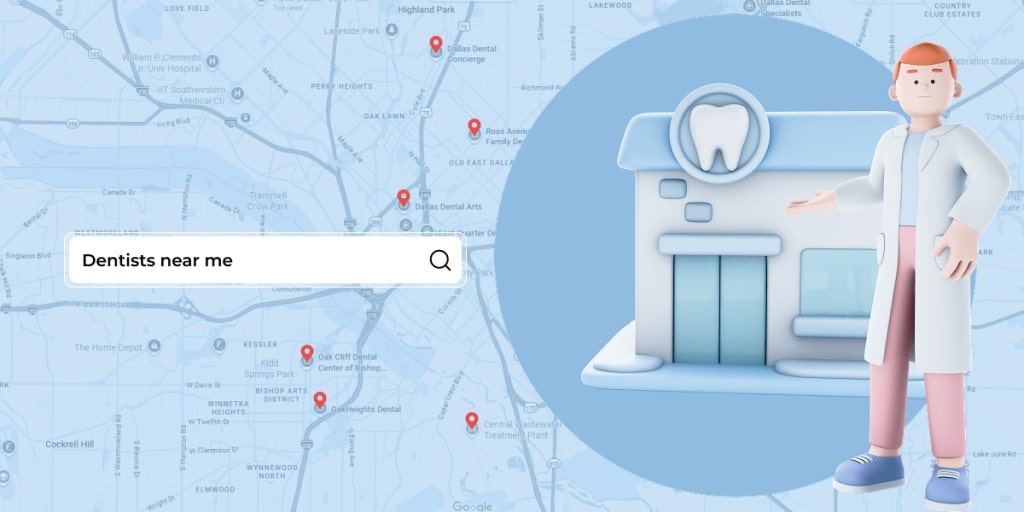
For example, someone searching for:
Each search reflects a different need and level of urgency.
Your ad copy should clearly reflect what the user is looking for. This includes:
When your ad matches search intent, visitors arrive on your landing page already interested in your offer.
Even the best ad cannot convert if the landing page is weak.
Many businesses make the mistake of sending PPC traffic to their homepage or a page that was not designed for conversions.
A high-converting PPC landing page should include:
The goal is to guide visitors toward one specific action without overwhelming them with too many options.
We’ve found that simple, easy-to-understand pages usually convert better than complex ones.
Not all clicks are equally valuable.
Some search terms attract people who are researching, while others attract people who are ready to buy or contact a business.
High-intent keywords often include phrases such as:
For example:
These keywords often produce higher conversion rates because the searcher already knows what they want.
We focus PPC budgets on high-intent searches because those visitors are more likely to convert.
A slow landing page can quietly hurt your PPC performance.
When pages take too long to load, many visitors leave before even seeing your offer. This is especially common on mobile devices, where users expect fast and smooth experiences.
Improving page speed helps in several ways:
A fast-landing page should ideally load within a few seconds and work smoothly on mobile screens.
Since a large portion of PPC traffic comes from mobile users, mobile optimization is essential.
Your call-to-action (CTA) tells visitors exactly what to do next.
Weak CTAs such as “Submit” or “Learn More” often fail to motivate users.
Instead, use action-focused language that clearly communicates value.
Examples of stronger calls-to-action include:
Good CTAs are:
A well-designed CTA can significantly increase conversion rates.
Not everyone converts on their first visit.
Many users need time to compare options, read reviews, or discuss decisions before taking action.
This is where audience targeting and remarketing become powerful tools.
Remarketing allows you to show ads to people who have already visited your website. Since these users are already familiar with your business, they are often more likely to convert. As part of our PPC advertising services, we often use remarketing strategies to help businesses reconnect with high-intent visitors.
You can also create audience segments such as:
Re-engaging these visitors helps recover potential customers who might otherwise be lost.
Successful PPC campaigns are rarely perfect from the start.
The best results usually come from continuous testing and improvement.
A/B testing allows you to experiment with different elements, such as:
Even small improvements discovered through testing can increase conversions over time.
Businesses that regularly analyze campaign data and adjust their strategy often achieve stronger long-term performance.
While optimizing campaigns, it is also important to avoid common mistakes that reduce conversions.
Some of the most frequent issues include:
Identifying and fixing these problems can quickly improve campaign performance.
Recent improvements in PPC platforms have made campaigns more data-driven and conversion focused. These tools help advertisers reach higher-intent users and optimize campaigns with better performance insights.
Improving PPC conversion rates does not always require increasing your advertising budget. In many cases, better results come from optimizing how your campaigns and landing pages work together.
By focusing on search intent, improving landing page experience, targeting high-intent keywords, and continuously testing campaigns, businesses can generate more leads and sales from the same amount of traffic.
PPC advertising works best when every part of the journey, from ad click to final action, is designed with the user in mind.
When these elements align, even small improvements in conversion rate can create meaningful growth for your marketing efforts.
What is a good PPC conversion rate?
A good PPC conversion rate depends on the industry, competition, and type of campaign. For many businesses, conversion rates between 3% and 10% are common. However, well-optimized campaigns with strong landing pages and high-intent keywords can achieve higher results.
Why is my PPC campaign getting clicks but no conversions?
This usually happens when there is a disconnect between the ad, the landing page, and the user’s intent. Common causes include weak landing pages, slow page speed, poor targeting, or ads that do not match the search query.
How can I improve PPC conversions without increasing my budget?
Businesses can improve PPC conversions by optimizing landing pages, targeting high-intent keywords, improving page speed, testing ad copy, and using remarketing campaigns to re-engage visitors.
Do landing pages affect PPC conversion rates?
Yes. Landing pages play a major role in PPC performance. A clear headline, strong value proposition, simple call-to-action, and fast loading speed can significantly improve conversion rates.
What is remarketing in PPC?
Remarketing allows businesses to show ads to people who previously visited their website but did not convert. Since these users are already familiar with the brand, remarketing often helps bring them back and increases the chances of conversion.
How often should PPC campaigns be optimized?
PPC campaigns should be reviewed and optimized regularly. Many advertisers check performance weekly to analyze keywords, ad copy, landing pages, and conversion data to improve results.