Local eCommerce SEO 2.0: The Playbook for Ranking in Maps, Product Surfaces, and ‘Near Me’ Shopping

Online shopping keeps evolving, but one thing hasn’t changed – people still want to buy close to home. 

When a customer searches “skincare near me” or “running shoes in my city,” Google now blends eCommerce stores, map listings, and nearby pickup options on the same results page. 

Even if you don’t run a storefront, you can appear beside local retailers by aligning your SEO with local intent. 

That’s the heart of Local eCommerce SEO 2.0, a strategy that connects your online catalog with your customers’ neighborhoods. 

In this article, we’ll explore what Local eCommerce SEO means, why it matters, and actionable steps to help your store rank in Maps, Product results, and “Near Me” searches. 

What Local eCommerce SEO 2.0 Really Means 

Traditional SEO focused on keywords and backlinks. Local eCommerce SEO 2.0 adds a new layer, it connects your websiteGoogle Business ProfileMerchant Center, and structured data so Google understands both what you sell and where you sell it. 

This “2.0” approach combines proximity, product data, and user intent into one strategy. It’s how a Houston-based skincare brand can rank next to brick-and-mortar spas for “buy organic lotion near me.” 

Learn more about the foundation of this shift in Moz’s Local Search Ranking Factors. 

What Is ‘Near Me’ Shopping and Why It’s Changing eCommerce SEO 

How ‘Near Me’ Searches Work 

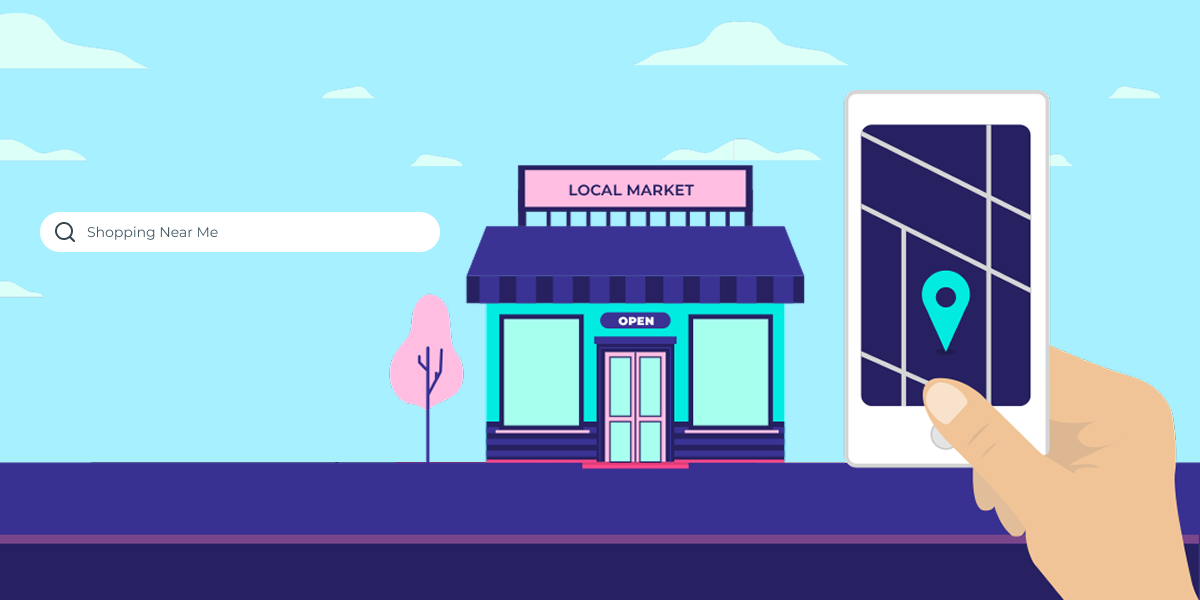
When people search “near me,” Google interprets it as local intent. The algorithm checks three things, relevancedistance, and prominence, to decide which stores appear in Maps and organic results.  

The surprise is that Google doesn’t only list storefronts anymore. If your online store has a verified profile, clear service areas, and delivery or pickup options, you can still appear in those local packs. 

The Rise of ‘Near Me’ Shopping in the U.S. 

U.S. shoppers love convenience but still value local trust. Searches like ‘gift baskets near me’ or ‘pet toys near me’ are growing year over year. Many of those searches end on an eCommerce site that can deliver within the same state or city. 

Why Online Brands Need Local Signals 

Customers expect local clarity, shipping times, real reviews from nearby buyers, and easy pickup or returns. According to Statista’s online shopping research , most U.S. shoppers value convenience and transparency when buying online.  

If your site communicates those details clearly, your click-through rates rise because people trust local information they can relate to. 

That’s the power behind “near me” visibility, people don’t just want fast, they want close. 

Understanding Google’s Product Surfaces – Where Your Store Can Appear: 

Understanding Google’s Product Surfaces - Where Your Store Can Appear: 

Google’s product surfaces are all the free spaces where your items can appear including Search, the Shopping tab, Maps, Images, and even YouTube. 

If you connect your product catalog through Google Merchant Center, you can use a feature called “Surfaces Across Google” to show your products across those platforms without paying for ads. 

It’s completely free to set up and helps small eCommerce businesses reach more potential buyers while they’re already searching or browsing on Google. 

A Simple Example of Local eCommerce SEO at Work 

A Local candle shop uploads its product feed, connects its Google Business Profile, and activates Surfaces Across Google. Now, when someone searches “soy candles near me,” that product can appear: 

  • In the Shopping tab 
  • On Maps, marked Available for pickup 
  • In organic product snippets on Search 

That’s exposure across three Google surfaces, without paying for ads. 

Step-by-Step Playbook for Local eCommerce SEO Success 


1. OptimizeYour Google Business Profile (GBP):

OptimizeYour Google Business Profile (GBP):


Start by claiming your listing through Google Business Profile. 

Choose “Online Retailer” or “Ecommerce Store” as your category, define your delivery or pickup areas, and upload high-quality product images. 

Use the Q&A and Posts sections to answer common questions and share promotions that link directly back to your website. 

This profile helps Google understand your brand as a real, trusted business rather than just another online store.

Complete listings often appear higher in Map results and get more clicks from local shoppers who are ready to buy. 

Pro Tip: Keep your NAP (Name, Address, Phone) information consistent across your website, Merchant Center, and listings, even small mismatches can hurt your local ranking.  

2. Connect Google Merchant Center and Enable Free Listings

  • Verify your site in Merchant Center and upload a clean feed with titles, pricing, and availability. 

 3. Build Localized Product and Category Pages

  • Create regional pages that speak to shoppers directly – “Buy Eco Candles Near You” or “Custom T-Shirts with Fast Delivery.” 
  • Add local reviews, real delivery details, and embedded maps showing your coverage area. 

 4. Use Local Schema and Product Markup Together

  • Implement structured data for LocalBusiness, Product, and Offer. 
  • It helps Google link your listings to a real seller with verifiable stock and ratings. 

5. Earn Local Backlinks and Mentions

Pitch your story to local news outlets, bloggers, and community directories. 

A single feature on a respected local site can help your store appear higher in search results than dozens of low-quality directory links. 

Look for collaborations with local influencers, sponsor a small event, or list your business on nearby chamber websites, anything that earns genuine mentions from within your community. 

Those local signals show Google that you’re a real business serving real customers, not just another online shop.  

6. Collect and Showcase Local Reviews  

  • Ask happy customers for reviews mentioning their city or region. 
  • Show those testimonials on your site and respond publicly, it builds trust and improves ranking signals. 

 7. Optimizefor Mobile and Voice Search: 

Mobile and voice go hand in hand when it comes to local shopping. Most “near me” searches now happen on smartphones, often through voice assistants like Google Assistant or Siri. 

That means your website needs to load fast, display cleanly on mobile, and answer natural, conversational questions people actually ask. 

Use phrases such as “Where can I buy [product] near me?” or “Best [product] store open now.” 

These long-tail, voice-style queries help your site match the way real people search instead of how marketers write. 

You can check your site’s performance using Google Lighthouse  

8. Track and Measure Your Performance

  • Set up GA4 for eCommerce and tag key actions—add-to-cart, checkout, and pickup selections. 
  • Pull data into Looker Studio dashboards so you can see how much traffic comes from each U.S. city. 

Bonus: Advanced Local SEO Moves for Competitive Markets 

 1. ZIP-Code Delivery Pages

If your store delivers within certain ZIP codes, create location-specific landing pages like “Shop Gifts in 75001” or “Order Pet Supplies in 90210.” 

Include details such as delivery timeframes, cut-off hours, and local pickup options to give search engines and customers a clear signal of where you operate.  

You can also use ZIP-level keywords in meta titles, product descriptions, and FAQs, this helps your pages rank for ultra-local queries that competitors often ignore. 

It’s a powerful tactic for eCommerce brands that want to dominate regional search results and drive nearby traffic that’s ready to convert. 

2. Local Inventory Ads

2. Local Inventory Ads 


Local Inventory Ads help bridge organic and paid visibility by showing shoppers that your products are “In stock nearby” or “Pickup today”. 

When someone searches “buy sneakers near me” or “laptops available today,” these ads highlight your store’s real-time inventory and pickup options. 

They’re ideal for U.S. retailers who want to reach local customers ready to buy now, without running broad national campaigns. 

You can set them up through Google Merchant Center by syncing your store’s inventory and delivery details. 

3. Hyperlocal CRO

  • Add dynamic banners like “Order now—pickup in Dallas today by 6 PM.”  
  • Use Hotjar to watch how visitors behave across locations.  

Common Local SEO Mistakes to Avoid 

  • Listing a virtual or P.O. Box address (Google Guidelines). 
  • Copy-pasting the same content across city pages. 
  • Neglecting feed freshness in Merchant Center. 
  • Paying for fake reviews. 
  • Not connecting your Google Business Profile, Merchant Center, and Analytics,  which keeps data and insights from syncing properly. 

Avoid these, and your ranking stability will skyrocket 

 FAQs About Local eCommerce SEO in U.S. 

Q: Can an online-only store show up in Google Maps? 
Yes, set your profile as a service-area business and link your product feed. (Google Support) 

Q: Do I need a physical address to appear for “near me” results? 
No, but you must define clear delivery or pickup zones in your GBP and Merchant Center. 

Q: What’s the difference between Local and Traditional SEO? 
Traditional SEO drives national reach, Local SEO focuses on proximity, reviews, and Google Maps visibility.  

Q: How long until I see results? 
Typically 2–3 months once your product feed, GBP, and citations are consistent. 

Why Most Dallas Roofing Contractors Don’t Get Leads from Their Website and How to Fix It

Introduction

If you’re a roofing contractor in Dallas, you probably know the frustration: your website is live, you’re paying for hosting, maybe even posting on social media, but the phone just doesn’t ring. No calls. No form fills. No steady flow of new roofing jobs. 


The truth is, most Dallas roofing websites look fine on the surface but are missing the critical pieces that actually turn visitors into leads.  


According to HubSpot’s marketing statistics homeowners respond best when contractors mix strategies, paid ads, organic SEO, and local service ads, instead of leaning on just one.  


Add in real reviews, a referral system, email follow-ups, and a steady presence in Facebook and local social groups, and suddenly your name keeps showing up everywhere your customers hang out. That’s the difference between a website that sits idle and one that keeps your crews busy week after week. 


Let’s break down why this happens and what you can do to fix it. 


1. What Are Roofing Leads (and Why They Matter)?

Roofing leads are homeowners or businesses actively looking for roofing services, whether that’s a roof inspection, repair after a storm, or a full replacement. Leads come in through phone calls, contact forms, or online booking requests. 

Without consistent roofing leads, your business becomes unpredictable. The goal of your website isn’t just to exist online. It should be working like a 24/7 salesperson, capturing leads every single day. 


2. Why Most Dallas Roofing Contractors Don’t Get Calls from Their Website

Most Dallas roofing websites look professional, but they quietly miss the mark. Below are the biggest reasons why contractors lose calls and leads online.


1. Local SEO & Google Business Profile: Why Dallas Roofers Lose Leads

If your Google Business Profile isn’t claimed or optimized, you’re invisible on Google Maps where most Dallas homeowners search for roofers. If your local SEO is weak, those leads don’t disappear,  they go straight to competitors with a fully optimized Google listing. 


2. Poor Mobile Experience Drives Away Potential Leads

Most roofing searches in Dallas happen on smartphones, often after storm damage. If your site loads slowly, has tiny text, or no click-to-call button, visitors bounce and call the roofer who makes it easy. 


3. Lack of Social Proof and Trust Signals

Homeowners want proof before they let you on their roof. If your site doesn’t show Google reviews, testimonials, before-and-after photos, or certifications, you’re missing trust factors that close the deal. 


4. Missing or Weak Call-to-Action Strategy

Many roofing sites hide the phone number, use generic forms, or don’t have clear CTAs like Call Now for a Free Roof Inspection. Without direct, visible calls-to-action, even interested visitors won’t take the next step. 


5. Ineffective Content Strategy

Google rewards content that answers real homeowner questions: “roof repair Dallas,” “storm damage roof replacement,” “roof inspection near me.” Without location-based service pages and blogs, your site won’t rank and won’t pull in traffic.  


3. How Dallas Roofing Contractors Can Fix the Problem

The good news is these issues aren’t permanent. With a few focused fixes, Dallas roofing contractors can turn their websites into steady lead generators.


1. Local SEO Fix: Optimizing Your Google Business Profile for Dallas Roofing Leads

  • Claim your profile, add photos, verify location. 
  • Use categories like “Roofing Contractor” and add Dallas-specific service areas. 
  • Post updates and ask customers for reviews. 

2. Use Paid Ads + Local SEO: How Dallas Roofing Contractors Can Win More Calls

  • Google Ads and Google Guaranteed can put you in front of homeowners instantly. 
  • These ads show trust badges and give you a competitive edge while your SEO builds. 

3. Build Trust Through Reviews & Referrals

  • Google Reviews: Critical for ranking in the map pack and building instant trust. 
  • Facebook & Yelp Reviews: Homeowners check these too, and strong ratings here boost credibility. 
  • Community Feedback: Local forums and neighborhood groups often influence decisions just as much as Google. 
  • Referrals: Word-of-mouth is still king. When past clients recommend their friends or neighbors, it carries more weight than any marketing. 
  • Incentives: Encourage referrals by offering small rewards, discounts, gift cards, or service upgrades to keep leads flowing without extra ad spend. 

4. Build Trust with Free Roof Inspections or Estimates

  • A free inspection removes hesitation and creates an easy “yes” for homeowners. 
  • Place this offer front and center on your homepage with a big call button. 

5. Layer Multiple Lead-Gen Tactics

The most successful Dallas roofers don’t rely on one strategy. They combine: 

  • SEO blogs to rank long-term. 
  • Reviews for credibility. 
  • Paid ads for immediate calls. 
  • Referrals for community growth. 

When stacked together, these create a multiplier effect that keeps leads flowing year-round. 


4. Bonus Lead Sources for Dallas Roofing Contractors

Your website should drive most of your calls, but it shouldn’t be the only source, these seven bonus channels can bring Dallas contractors more leads and steady growth.

  • Email Follow-Up Campaigns: Don’t let past customers forget about you. A simple follow-up system with seasonal tips or maintenance reminders keeps your name top of mind and often sparks repeat work. 
  • Local Community Groups (Facebook, Nextdoor): Homeowners in Dallas constantly ask for roofer recommendations in these groups. If you stay active here, it builds visibility and trust in a very local way. 
  • Partnerships with Real Estate Agents: Every home sale is a chance for a roof inspection. Teaming up with local agents or brokers creates a steady stream of inspection and repair leads. 
  • Lead Platforms (Angi, EverConnect, MarketSharp): While they shouldn’t be your only source, these platforms can fill gaps in your pipeline during slower months. 
  • Trade Shows & Local Events: Nothing beats face-to-face credibility. Attending home shows, expos, and neighborhood events builds authority and often lands high-value clients. 
  • Interactive Tools (Instant Estimates, Live Chat): Homeowners want fast answers. Adding a cost calculator, instant estimate form, or live chat sets you apart and captures leads before they call someone else. 


Conclusion

If your roofing website isn’t getting calls, it’s not because homeowners don’t need roofers. It’s because your site isn’t set up to convert. Most Dallas roofing contractors lose jobs to competitors who have mobile-friendly sites, strong local SEO, trust signals, and clear calls-to-action. 

At Curved Sphere, we specialize in turning roofing websites into 24/7 lead machines. From SEO to paid ads to website design, we help Dallas roofers get found, get trusted, and get calls. 


Frequently Asked Questions for Dallas Roofing Contractors

Q1: Why isn’t my roofing website bringing in calls or leads?

Most roofing sites in Dallas look fine at first glance, but they’re missing the pieces that make a homeowner take action. If your site loads slow on mobile, hides the phone number, or doesn’t highlight reviews, people leave and call the next roofer. The problem isn’t traffic, it’s conversion. 


Q2: How important is local SEO for roofers in Dallas?

Local SEO is critical. When someone searches “roof repair near me” or “Dallas roofer”, Google shows the top three companies in the map pack. If your Google Business Profile isn’t optimized with reviews, photos, and service areas, you won’t even show up. That means the calls go to your competitors instead of you. 


Q3: Should I invest in SEO or paid ads to get roofing leads?

You should think like this, paid ads bring you quick calls, SEO builds your long-term pipeline. A smart roofer does both to get lead. Run Google Search Ads and Local Services Ads to get immediate leads, and at the same time, build out SEO so you’re not paying for every click forever. The mix is what keeps the phone ringing year-round. 


Q4: Do reviews really make that big of a difference?

Yes. Homeowners don’t just look at your website, they look for proof. Google reviews, Facebook reviews, Yelp, even local forums all matter. A roofer with 50+ 5-star reviews will get picked over one with just a couple. Reviews are digital word-of-mouth, and they can win or lose you a job in seconds. 


Q5: What’s the fastest way to start getting more roofing leads in Dallas?

Start simple. Make sure your Google Business Profile is claimed and updated, add “Call Now” buttons across your website, and ask every happy customer for a review. Then, add paid ads and a simple referral program. Even something as straightforward as offering a free roof inspection can get homeowners to pick up the phone right away. 

How Smart Web Design & Local SEO Help Dentists Get 3X More Patients in Texas

Introduction: Why your website doesn’t bring new patients in Texas?  

If you’re a dentist running a local dental business, you’ve probably invested in a website already. Maybe it looks clean, has a few photos, and lists your services, but still, something feels off that you’re not seeing the calls or appointment requests you expected. 

You’re definitely not alone. A lot of dentists run into the same problem, the site looks good, but it just doesn’t bring in new patients. The good news is, it usually comes down to a few simple fixes. Let’s go through them together. 


Why am I not getting more patient calls or bookings from my website?  

The truth is, most dental websites aren’t built to convert, and they’re nearly invisible to people searching online.  

These days, most people search on Google before choosing a dentist. If your dental clinic doesn’t show up or doesn’t make a great first impression, you’re missing out on new patients. 

Let’s take a closer look at why smart web design and local SEO are essential for growing your local business. 


The Real Problem: 

Visibility and Trust You might have the best dental care in town, but if people can’t find you online, they’ll never book an appointment. In today’s competitive local market, ranking on Google and building instant trust online is no longer optional, it’s the baseline. 


Why Ranking on Google Maps Matters  

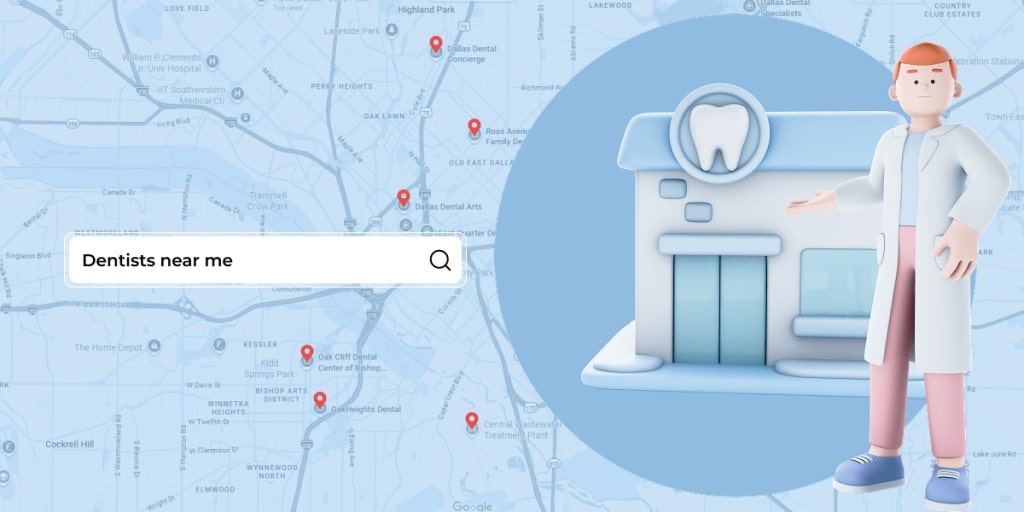
Most patients search for dentist near me or best dental clinic in dallas on Google

  • Most patients search for dentist near me or best dental clinic in dallas on Google.  
  • If your practice isn’t in the top 3 Google Maps results, you’re likely invisible to 90% of searchers. 
  • Those top spots are driven by Local SEO, not ads, not luck. 


How Today’s Patients Search for Dentists:  

  • They use smartphones to search and compare reviews. 
  • They check Google Business Profiles for ratings, hours, photos, and links. 
  •  They visit your website to look for proof, trust, and easy contact options. 
  • If your website doesn’t feel trustworthy or easy to use, most people will leave and choose another dentist nearby, often within seconds. 

What Smart Web Design Actually Means for Dentists 

Most dental websites use cookie-cutter templates or focus only on looks, without thinking about what actually converts. A smart site does more than look good. It acts like a 24/7 receptionist, turning visitors into real appointments.

Here’s what separates a generic website from one that works hard for your practice: 


Mobile-Friendly & Fast Loading 

  •  Over 70% of dental patients search from their phones. 
  •  A mobile-optimized site that loads in under 3 seconds keeps them engaged. 
  •  Google also rewards fast sites with better search rankings. 


Clear Call-to-Actions (CTAs) 

  • Book Appointment, Call Now, or Request Consultation buttons should be clearly visible on every page. 
  •  Don’t make visitors guess what to do next, guide them clearly. 


Trust Signals 

  •  Display real patient reviews and testimonials. 
  •  Include dental certifications, years of experience, and associations. 
  •  Add before-and-after photos to build visual trust for cosmetic services. 

Online Booking or Easy Contact 

  •  Offer a quick appointment form or integrate with your dental CRM/booking tool. 
  •  A site that lets users book directly or request a call converts significantly better. 

Modern, Professional Design 

  •  Clean layout, calming color palette, and real photos (not just stock images). 
  •  Your site design should reflect your professionalism and care, just like your office does. 


Optimized for Local Search 

  •  Include your clinic’s city name and services in headings and content. 
  •  Add location schema and embed Google Maps. 
  •  This helps your site rank for keywords like dentist in New York. 
  •  In short, a smart dental website isn’t just a brochure, it’s your #1 marketing asset. 

How Local SEO Brings You More Patients

Even the best-looking dental website won’t generate new business if people can’t find it in local search results. That’s where Local SEO (Search Engine Optimization) comes in. It’s the strategy that helps your dental care business appear when someone nearby searches for a dentist.

Let’s break down how it works and why it’s essential for growing your patient base.


What is Local SEO for Dentists?
 

Local SEO focuses on getting your dental clinic to show up in:

Local SEO helps your clinic show up when people in your area search for a dentist like when they Google dentist near me or family dentist Dallas.

It’s how you get found on Google Maps, rank in the top 3 local results, and attract new patients, without having to spend on ads.


Key Elements of Local SEO That Bring Results 

Google Business Profile Optimization:
 

  • Your business name, address, and phone number (NAP) must be 100% accurate and consistent across the web. 
  • Make sure you’ve selected the right categories, like Cosmetic Dentist or Dental Clinic in your Google Business Profile. 
  • Upload high-quality photos of your clinic, team, and treatment areas. First impressions matter. 
  • Keep your profile active with regular updates, posts, and announcements, just like you do with social media. 


Positive Online Reviews Help You Stand Out: 

  • Your potential patients are checking reviews before they ever call you. 
  • Having 20+ 5-star reviews on Google and Yelp builds trust and boosts your visibility in local search. 


Keep Your Business Listings Consistent

  • Your clinic should be listed the same way across sites like Yelp, Bing Places, Facebook, and local directories. 
  • If your name, address, or phone number isn’t exactly the same across sites, Google may not trust your listing, and that can hurt your rankings.


Use Localized Content to Attract Nearby Patients

Want to show up when someone searches for a dentist in your city? Your website needs to mention your location clearly.  

  • Create pages or content with phrases like:
    “Emergency dentist in Dallas”
    “Teeth whitening in Fort Worth”
  • Use location-specific keywords throughout your site, especially in titles, headers, and meta descriptions.
  • Add schema markup to help Google understand where you are and what services you offer. 


Mobile + Voice Search Optimization

  • Many patients don’t type, they talk to their phones:
    Hey Google, find a dentist near me.
  • If your site isn’t optimized for mobile devices and voice search, you’re missing out.
    Local SEO helps make sure your clinic is the one Google recommends. 

Common Mistakes Dentists Make Online

Many dentists don’t realize they’re making small online mistakes that hurt their visibility and lead flow. If your website isn’t bringing in new patients, chances are one of these issues is holding you back. 


Let’s break them down so you can avoid them (or fix them fast).

Using a DIY Website Builder with Poor SEO
 

  • Platforms like Wix or Squarespace may look simple, but they often lack the technical SEO foundation needed to rank on Google. 
  • Many templates aren’t optimized for mobile or fast loading, which affects both user experience and rankings. 

Your Google Business Profile Is Missing or Incomplete 

  • If your Google listing is missing or half-filled, you’re unlikely to show up when someone searches for a dentist nearby. 
  • Without accurate info, the right categories, good reviews, and real photos, patients will scroll past you and choose a clinic that looks more trustworthy. 

Low or No Reviews 

  • Today’s patients trust Google reviews more than referrals. 
  • A listing with just a few reviews or none at all, looks untrustworthy.

No Clear Call-to-Action (CTA) on the Website 

  • Visitors land on your site… and then what? 
  • Without clear buttons like Call Now, Book Appointment, or Schedule Consultation, they bounce, and call your competitor instead. 

Outdated or Generic Design 

  • A 5-year-old website with stock photos and clunky navigation sends the wrong message. 
  • First impressions matter, especially in healthcare, where trust and professionalism are everything. 

By avoiding these mistakes and investing in the right strategy, dentists can turn their websites from static brochures into reliable, high-converting lead generators. 

Ready to Grow? Here’s How We Can Help

You already understand how important it is to stand out online. Your dental practice deserves to be seen, and trusted, online. That’s where CurvedSphere comes in.

We help local businesses like yours, including dentists and dental clinics, attract more patients with conversion-focused websites and local SEO strategies that actually work.

 

Call us today: +1 (215) 859-1390
Email: harshal.mehta@curvedsphere.com

Let’s turn your website into your most reliable source of new patient bookings.