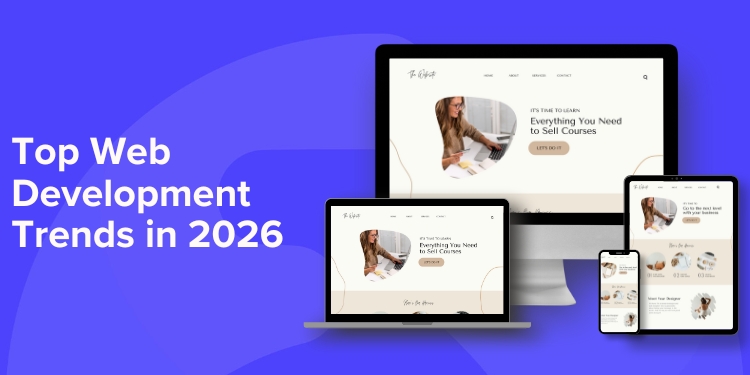
Top Web Development Trends in 2026

Web development in 2026 is all about creating smarter, faster, and more engaging digital experiences. A website is no longer just an online presence it is a powerful business tool that builds trust, drives conversions, and improves customer experience. With technology evolving rapidly, businesses must stay updated with the latest web development trends to remain competitive.

At Curved Sphere, a Top Web Development Company in Dallas TX, we closely follow modern web technologies to help businesses build future-ready websites. Let’s explore the top web development trends in 2026 that are shaping the digital world.

1. AI-Powered Websites Are Becoming the New Standard

Artificial Intelligence is no longer optional in web development it is becoming essential. In 2026, websites are using AI to deliver personalized content, smart recommendations, and instant customer support.

AI-powered chatbots, predictive search, and automated design adjustments help users find what they need faster. These features improve engagement, reduce bounce rates, and increase conversions. AI also helps developers optimize layouts and content based on user behavior, making websites more efficient and intelligent.

This trend is especially useful for businesses that want to scale their online operations without increasing manual effort.

2. Performance-First Development for Better SEO

Website speed and performance continue to play a major role in SEO and user experience. Google now prioritizes websites that load quickly and respond smoothly to user interactions.

In 2026, developers focus heavily on performance-first development by:

  • Optimizing images and videos

  • Using lightweight frameworks

  • Reducing unnecessary scripts

  • Improving Core Web Vitals

Fast websites not only rank better on search engines but also keep users engaged longer. A slow website can easily cost you potential customers, no matter how good your content or design is.

3. Progressive Web Apps (PWAs) Are Growing Rapidly

Progressive Web Apps combine the best features of websites and mobile apps. PWAs offer fast loading, offline access, push notifications, and app-like experiences without needing to download an app from an app store.

In 2026, more businesses are choosing PWAs because they are:

  • Cost-effective

  • Easy to maintain

  • Cross-platform friendly

  • Faster than traditional apps

PWAs are especially beneficial for eCommerce, service-based businesses, and content platforms looking to improve mobile user experience.

4. Headless CMS and API-First Architecture

Traditional CMS platforms are being replaced by headless CMS solutions. A headless CMS separates content management from the frontend design, allowing developers to deliver content across multiple platforms like websites, mobile apps, and smart devices.

In 2026, API-first development offers:

  • Better flexibility

  • Faster performance

  • Improved scalability

  • Easier integrations

This approach allows businesses to update content easily while maintaining complete control over design and user experience.

5. Voice Search and Conversational Interfaces

With the increasing use of voice assistants and smart devices, voice search optimization has become an important part of web development. Websites in 2026 are being designed to support voice-based navigation and conversational interfaces.

This trend includes:

  • Voice-enabled search features

  • Conversational forms

  • AI-powered voice assistants

Optimizing content for natural language queries helps websites reach a wider audience and improve accessibility.

6. Cybersecurity and Privacy-Focused Development

As online threats continue to increase, web security best practices have become a top priority in modern web development.

Modern websites focus on:

  • Secure hosting environments

  • HTTPS and SSL certificates

  • Secure APIs

  • Compliance with privacy regulations

A secure website builds trust and credibility, which directly impacts brand reputation and customer loyalty.

7. No-Code and Low-Code Development Platforms

No-code v/s low-code development are making website faster and more accessible. These tools allow businesses to create websites, landing pages, and internal tools with minimal coding knowledge.

In 2026, these platforms help:

  • Launch MVPs quickly

  • Reduce development costs

  • Empower non-technical teams

While custom development is still important for complex projects, no-code solutions are ideal for startups and small businesses looking for speed and flexibility.

8. Immersive User Experience with 3D and Motion UI

Modern users expect visually engaging websites. In 2026, immersive design elements such as 3D visuals, micro-animations, and motion UI are widely used to enhance user interaction.

These features:

  • Improve storytelling

  • Increase engagement

  • Make websites more memorable

When used correctly, animations and 3D elements add value without affecting performance.

9. Sustainable and Eco-Friendly Web Development

Sustainability is playing an increasingly important role in modern web design. Sustainable web development focuses on reducing energy consumption through efficient coding, optimized assets, and environmentally friendly hosting solutions.

In 2026, businesses are adopting sustainable web practices to:

  • Lower their carbon footprint by using energy-efficient technologies

  • Enhance website performance while staying eco-conscious

  • Promote environmental responsibility, meeting the expectations of socially aware users

This approach not only benefits the planet but also aligns with users’ growing preference for brands that prioritize sustainability.

10. Accessibility-First Website Design

Understanding accessibility fundamentals is no longer optional it is a requirement. Websites in 2026 are designed to be usable for everyone, including people with disabilities.

Accessibility-first development includes:

  • Proper color contrast

  • Keyboard navigation

  • Screen reader compatibility

  • Clear content structure

Accessible websites improve user experience, SEO, and legal compliance.

Final Thoughts

The web development landscape in 2026 is driven by innovation, performance, security, and user experience. Businesses that adopt these trends early gain a strong competitive advantage in the digital market.

At Curved Sphere, we specialize in building modern, scalable, and future-ready websites that align with the latest web development trends. Whether you’re planning a new website or upgrading an existing one, staying updated with these trends will help you grow faster and smarter online.
AI Tools Transforming SEO in 2026

The digital marketing landscape is changing faster than ever, and SEO is at the forefront of this evolution. Businesses in Texas are increasingly relying on the best digital marketing services in Texas to stay ahead of competitors, attract qualified leads, and improve their online presence. In 2026, artificial intelligence (AI) has become a game-changer for SEO, allowing marketers to analyze data, optimize content, and make strategic decisions with unprecedented speed and accuracy.

At Curved Sphere, we understand the importance of leveraging AI tools to create smarter, faster, and more effective SEO strategies. These tools help businesses enhance visibility, drive traffic, and maintain a competitive edge in a crowded digital landscape. In this guide, we’ll explore the top AI-powered SEO tools of 2026, what they do, and why they are essential for modern digital marketing.

1. Surfer SEO – AI-Driven Content Optimization

Overview: Surfer SEO is an AI-powered tool that analyzes the top-ranking pages for any keyword and provides data-driven recommendations to improve your content.

Key Features:

  • Content structure analysis

  • Keyword density and placement suggestions

  • SERP comparison and competitive analysis

Why It Matters: Surfer SEO saves hours of manual research by showing exactly how to structure your content to match what Google prefers. For example, if you want to rank for “AI tools for SEO,” Surfer SEO will analyze the top 10 pages and recommend word count, headings, and related terms to include.

Use Case: Businesses can create blogs, landing pages, or service pages that are fully optimized without guessing what Google wants, improving ranking potential significantly.

2. Ahrefs – AI for Keyword and Backlink Insights

Overview: Ahrefs is a comprehensive SEO tool that now integrates AI to improve keyword research, backlink analysis, and competitor insights.

Key Features:

  • Keyword difficulty scoring

  • Competitor backlink tracking

  • AI-powered keyword predictions

Why It Matters: Understanding what keywords competitors rank for and identifying potential backlink opportunities allows marketers to target traffic effectively. The AI features in Ahrefs now predict which keywords are likely to perform best, saving time on trial-and-error approaches.

Use Case: A Texas-based business can analyze competitors in their industry, discover high-performing keywords, and plan content or outreach campaigns that attract the right audience.

3. ChatGPT / OpenAI – AI for Content Creation

Overview: AI language models like ChatGPT can assist in content generation, meta descriptions, FAQs, and even entire blog drafts.

Key Features:

  • Generate SEO-friendly content quickly

  • Create ideas for headings, titles, and meta tags

  • Rewriting and summarizing content

Why It Matters: Producing high-quality content consistently is challenging. With AI, businesses can maintain a steady flow of relevant, readable content optimized for search engines.

Use Case: Curved Sphere uses AI to draft initial versions of blogs or service pages, which are then refined by human writers to ensure accuracy, brand voice, and readability. This speeds up content creation without sacrificing quality.

4. Clearscope – Optimize Content for Search Intent

Overview: Clearscope helps marketers ensure their content is fully optimized for both users and search engines.

Key Features:

  • Keyword suggestions based on search intent

  • Content grading and scoring

  • Readability checks

Why It Matters: Google increasingly favors content that matches search intent. Clearscope ensures that every piece of content answers user queries comprehensively and naturally.

Use Case: For a Texas-based digital marketing agency, using Clearscope ensures that blogs and service pages rank higher and engage readers effectively.

5. SEMRush with AI Add-Ons – Predictive SEO

Overview: SEMRush has evolved with AI add-ons that provide predictive keyword analysis, competitor monitoring, and real-time site audits.

Key Features:

  • Predictive keyword trends

  • AI-powered competitor analysis

  • SEO audit automation

Why It Matters: Staying ahead of trends is crucial in digital marketing. SEMRush with AI helps identify emerging keywords and gaps in your SEO strategy before competitors do.

Use Case: Businesses in Texas can adapt to search trends faster, ensuring their content remains relevant and competitive.

6. MarketMuse – AI for Content Strategy

Overview: MarketMuse uses AI to perform deep content research, identify gaps, and suggest semantically related topics to boost authority.

Key Features:

  • Content gap analysis

  • Topic and subtopic recommendations

  • Semantic keyword optimization

Why It Matters: MarketMuse helps build authoritative content clusters that search engines love, improving domain authority and topical relevance.

Use Case: Curved Sphere leverages MarketMuse to plan blogs, service pages, and pillar content that dominates niche topics in Texas markets.

7. Frase AI – For SEO and FAQs

Overview: Frase AI use to create content briefs, optimize for featured snippets, and generate FAQ sections.

Key Features:

  • Automated content briefs

  • AI-generated FAQs

  • Optimized headings and summaries

Why It Matters: Featured snippets and structured content improve CTR and search visibility. Frase ensures your content is ready for voice search and snippet opportunities.

Use Case: Businesses targeting local searches in Texas can improve their visibility for “near me” queries and FAQ-rich snippets.

Conclusion

AI tools are no longer optional they are essential for SEO success in 2026. From content creation to keyword analysis, site audits, and competitor research, these tools enable businesses to make smarter, faster decisions.

By partnering with Curved Sphere, a leader in digital marketing, you can leverage these AI-powered SEO tools to increase visibility, attract more leads, and outperform competitors. Whether you’re a small business in Dallas, Houston, or Austin, integrating AI into your SEO strategy ensures your website remains ahead of the curve and fully optimized for search engines.

AI-Powered Digital Marketing Strategies in 2026!

In 2026, digital marketing is no longer just about social media posts and ads; it’s about leveraging artificial intelligence to create smarter, faster, and more personalized campaigns. Businesses across Texas, from startups in Austin to enterprises in Dallas and Houston, are adopting AI to connect with their audiences, predict customer behavior, and increase ROI. At Curved Sphere, we offer the best digital marketing services in Texas, helping businesses implement AI-driven strategies that deliver measurable results, enhance customer engagement, and drive sustainable growth.

What is AI in Digital Marketing?

AI in digital marketing uses machine learning, predictive analytics, and automation to optimize campaigns. It allows businesses to understand customer behavior, personalize experiences, and save time on repetitive tasks.

Key Points:

  1. Data Analysis: AI analyzes customer behavior, engagement, and trends.

  2. Automation: Automates tasks like email campaigns, reporting, and ad optimization.

  3. Personalization: Creates campaigns that speak to individual customer preferences.

Example: A Houston-based restaurant can automatically send personalized menu recommendations to frequent diners.

Step 1: Predictive Analytics

Predictive analytics allows businesses to forecast trends and customer behavior, helping them plan campaigns efficiently.

Steps:

  • Collect historical data from website, social media, and sales.

  • Use AI to predict customer behavior and preferences.

  • Adjust campaigns to focus on high-converting opportunities.

Example: A Dallas electronics store predicts which products will trend next month and creates pre-launch campaigns.

Strategy Table:

StrategyAI ApplicationExpected Result
Lead ScoringIdentify high-potential leadsHigher conversion rate
Trend ForecastingPredict customer preferencesBetter product targeting
Campaign TimingOptimize send times for ads/emailsIncreased engagement

Step 2: AI-Powered Content Creation

AI can generate blogs, social media posts, and emails quickly while keeping the content personalized.

Steps:

  • Identify content topics based on audience interest.

  • Use AI tools to draft content automatically.

  • Review and personalize before publishing.

Example: A boutique in Austin uses AI to create weekly Instagram posts tailored to different customer segments.

Strategy Table:

Content TypeAI Tool SuggestionExample Outcome
Blog PostAI Content Generator500-word SEO-optimized blog
Social MediaAI Scheduling & Caption ToolPersonalized posts for each segment
Email MarketingAI Email AutomationHigher open & click-through rates

Step 3: Chatbots and Conversational AI

AI chatbots improve customer service and qualify leads in real-time.

Steps:

  • Deploy chatbot on website or social media.

  • Program AI to answer FAQs and guide users.

  • Collect customer info for lead nurturing.

Example: A Houston e-commerce store uses a chatbot to answer product queries instantly, even at midnight.

Strategy Table:

Chatbot FeatureAI FunctionBenefit
24/7 SupportAnswer FAQs & guide purchasesImproved customer satisfaction
Lead QualificationCollect user infoFocus marketing on high-potential leads
Conversational OffersSuggest upsells or discountsIncrease average order value

Step 4: Hyper-Personalization

AI allows hyper-personalized marketing, sending content based on user behavior, location, or purchase history.

Steps:

  • Segment audience by behavior, location, or interests.

  • Use AI to send personalized offers or messages.

  • Monitor engagement and adjust campaigns.

Example: A Dallas boutique sends a discount on running shoes to users who previously bought workout gear.

Step 5: Voice and Visual Search Optimization

Optimizing for voice and visual search ensures your business appears in modern search methods.

Steps:

  • Use AI to identify keywords for voice search.

  • Optimize product images and website for visual search.

  • Test search results and adjust content accordingly.

Example: A Houston furniture store uses AI so customers can search using a picture of a chair and find similar products.

Step 6: Automated Campaign Optimization

AI continuously monitors and optimizes ad campaigns in real-time.

Steps:

  • Connect ad platforms with AI tools.

  • Let AI adjust bids, targeting, and creatives automatically.

  • Analyze performance and refine strategies.

Example: A Dallas tech startup reallocates ad budget to top-performing campaigns automatically, improving ROI by 30%.

Strategy Table:

Campaign ElementAI FunctionBenefit
Ad TargetingAdjust audience segmentsMore qualified traffic
Budget AllocationShift funds to best-performing adsMaximize ROI
Creative OptimizationTest multiple creativesIncrease engagement

Why Texas Businesses Need AI Marketing

Texas is a highly competitive market. AI allows businesses to understand local audiences, deliver personalized campaigns, optimize marketing spend, and increase engagement. Companies that adopt AI strategies stay ahead in cities like Austin, Dallas, and Houston, providing measurable results and smarter growth.

How Curved Sphere Can Help

At Curved Sphere, we help Texas businesses implement AI-powered digital marketing solutions. Our services include predictive analytics, AI content creation, chatbots, hyper-personalization, voice and visual search optimization, and automated campaign management. We design strategies tailored to your goals, helping your business grow smarter and faster.

Conclusion

AI is transforming digital marketing. In 2026, Texas businesses that embrace AI-driven strategies will gain deeper insights, deliver personalized experiences, and achieve higher ROI. Partnering with Curved Sphere ensures your brand stays ahead of trends while growing efficiently in a competitive market.

How to Win SEO Using AI-Driven Search Strategies?

Search is no longer just about keywords and backlinks. With AI-powered search engines, zero-click results, and conversational queries becoming the norm, brands that fail to adapt will struggle to stay visible. At Curved Sphere, we help businesses stay ahead by using AI-driven SEO strategies that align with how modern search engines think, learn, and rank.

This guide explains how you can win SEO by leveraging artificial intelligence the smart way.

What Are AI-Driven SEO Strategies?

AI-driven SEO strategies use artificial intelligence, machine learning, and data automation to optimize websites for search engines more efficiently and accurately. Instead of relying only on manual keyword research or outdated tactics, AI helps analyze user intent, predict trends, and personalize search experiences.

At Curved Sphere, we combine human expertise with AI insights to create scalable, future-ready SEO systems.

How AI Is Transforming Search Engines?

Search engines now prioritize:

  • Search intent over exact keywords
  • Contextual understanding of queries
  • User experience signals like engagement and satisfaction
  • AI-generated answers and summaries (zero-click searches)

This shift means SEO is no longer about ranking pages only—it’s about becoming a trusted data source for AI-driven search results.

Core AI-Driven SEO Strategies That Work

1. Intent-Based Keyword Optimization

AI tools analyze search behavior to understand why users search, not just what they search.

Curved Sphere focuses on:

  • Informational intent
  • Commercial intent
  • Transactional intent

Example:
Instead of targeting only the keyword “SEO services”, we optimize separate pages for:

  • What are AI-driven SEO strategies? (informational)
  • Best AI SEO agency (commercial)
  • Hire AI SEO experts (transactional)

This increases relevance and improves rankings across multiple funnel stages.

2. Content Optimization Using AI Insights

AI helps identify:

  • Content gaps
  • Topic clusters
  • Semantic keyword relationships

By structuring content around entities and topics instead of single keywords, Curved Sphere creates content that search engines trust and users value.

Example:
For a blog on AI-driven SEO strategies, AI tools suggest related entities like:

  • AI search optimization
  • Machine learning in SEO
  • Zero-click searches

We then build supporting sections instead of publishing isolated articles.

3. Optimizing for AI Overviews & Zero-Click Searches

Many searches now end without a website click. To win visibility:

  • Answer questions clearly
  • Use concise summaries
  • Structure content with headings and bullet points

Our AI-driven SEO strategies ensure your brand appears inside AI-generated answers, not buried below them.

Example:
For the query “What is AI-driven SEO?”, we add a 40–50 word direct answer at the top of the page, increasing chances of being picked by Google AI Overviews.

4. Voice & Conversational Search Optimization

With voice assistants and chat-based search growing rapidly, content must sound natural.

Curved Sphere optimizes for:

  • Long-tail conversational queries
  • Question-based searches
  • Natural language responses

This improves visibility across voice search and AI chat platforms.

Example:
Instead of “AI SEO benefits”, we optimize for:

  • How does AI help improve SEO rankings?
  • Is AI good for SEO?

This aligns with how users speak to voice assistants.

5. Predictive SEO Using Machine Learning

AI can forecast:

  • Keyword trends
  • Traffic shifts
  • Ranking volatility

By using predictive analytics, Curved Sphere helps brands act before rankings drop, not after.

Example:
AI detects declining impressions for a keyword cluster. We refresh content and improve internal linking before traffic drops, protecting rankings.

6. UX & Behavioral Signal Optimization

AI-powered search engines track:

  • Click-through rate (CTR)
  • Dwell time
  • Bounce rate

Our SEO strategies improve site speed, layout, and content flow to maximize positive user signals that directly impact rankings.

Example:
We use AI heatmaps to see where users drop off, then adjust content placement and CTAs resulting in higher engagement and improved rankings.

Why Curved Sphere’s AI-Driven SEO Approach Works?

What sets Curved Sphere apart:

  • Human strategy + AI precision
  • Data-backed decisions
  • Future-proof SEO frameworks
  • Transparent performance tracking

We don’t chase algorithms—we align with them.

Final Thoughts

Winning SEO today means understanding how AI thinks, processes, and delivers search results. Brands that embrace AI-driven SEO strategies gain long-term visibility, authority, and sustainable growth.

At Curved Sphere, we help businesses dominate search by combining cutting-edge AI tools with proven SEO expertise.

If you’re ready to future-proof your SEO, now is the time to act.

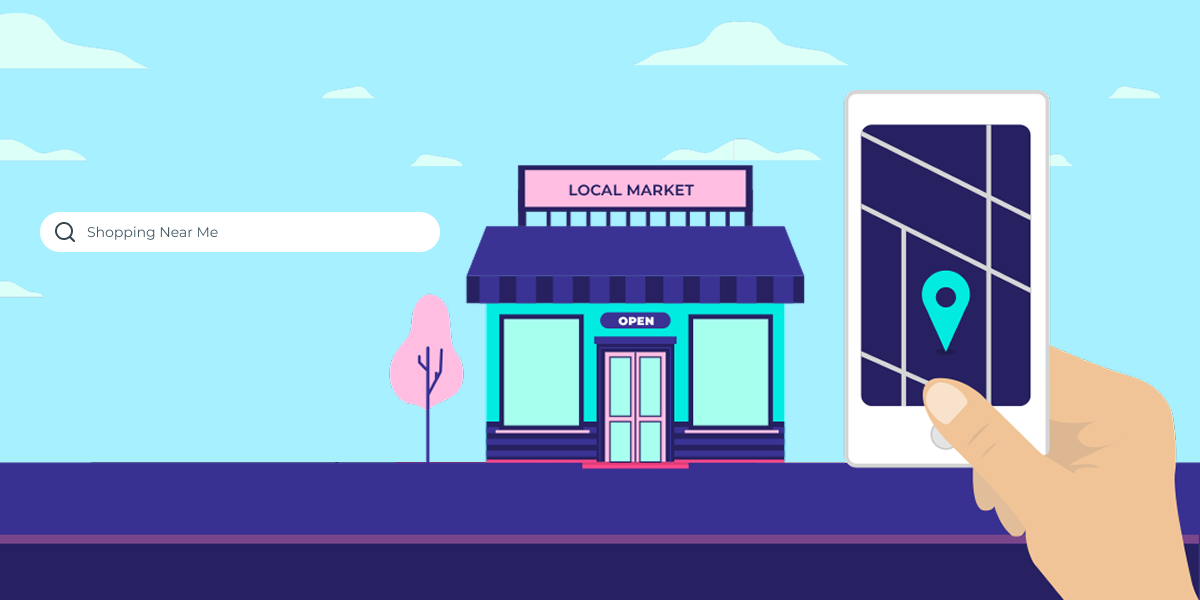
Local eCommerce SEO 2.0: The Playbook for Ranking in Maps, Product Surfaces, and ‘Near Me’ Shopping

Online shopping keeps evolving, but one thing hasn’t changed – people still want to buy close to home. 

When a customer searches “skincare near me” or “running shoes in my city,” Google now blends eCommerce stores, map listings, and nearby pickup options on the same results page. 

Even if you don’t run a storefront, you can appear beside local retailers by aligning your SEO with local intent. 

That’s the heart of Local eCommerce SEO 2.0, a strategy that connects your online catalog with your customers’ neighborhoods. 

In this article, we’ll explore what Local eCommerce SEO means, why it matters, and actionable steps to help your store rank in Maps, Product results, and “Near Me” searches. 

What Local eCommerce SEO 2.0 Really Means 

Traditional SEO focused on keywords and backlinks. Local eCommerce SEO 2.0 adds a new layer, it connects your websiteGoogle Business ProfileMerchant Center, and structured data so Google understands both what you sell and where you sell it. 

This “2.0” approach combines proximity, product data, and user intent into one strategy. It’s how a Houston-based skincare brand can rank next to brick-and-mortar spas for “buy organic lotion near me.” 

Learn more about the foundation of this shift in Moz’s Local Search Ranking Factors. 

What Is ‘Near Me’ Shopping and Why It’s Changing eCommerce SEO 

How ‘Near Me’ Searches Work 

When people search “near me,” Google interprets it as local intent. The algorithm checks three things, relevancedistance, and prominence, to decide which stores appear in Maps and organic results.  

The surprise is that Google doesn’t only list storefronts anymore. If your online store has a verified profile, clear service areas, and delivery or pickup options, you can still appear in those local packs. 

The Rise of ‘Near Me’ Shopping in the U.S. 

U.S. shoppers love convenience but still value local trust. Searches like ‘gift baskets near me’ or ‘pet toys near me’ are growing year over year. Many of those searches end on an eCommerce site that can deliver within the same state or city. 

Why Online Brands Need Local Signals 

Customers expect local clarity, shipping times, real reviews from nearby buyers, and easy pickup or returns. According to Statista’s online shopping research , most U.S. shoppers value convenience and transparency when buying online.  

If your site communicates those details clearly, your click-through rates rise because people trust local information they can relate to. 

That’s the power behind “near me” visibility, people don’t just want fast, they want close. 

Understanding Google’s Product Surfaces – Where Your Store Can Appear: 

Understanding Google’s Product Surfaces - Where Your Store Can Appear: 

Google’s product surfaces are all the free spaces where your items can appear including Search, the Shopping tab, Maps, Images, and even YouTube. 

If you connect your product catalog through Google Merchant Center, you can use a feature called “Surfaces Across Google” to show your products across those platforms without paying for ads. 

It’s completely free to set up and helps small eCommerce businesses reach more potential buyers while they’re already searching or browsing on Google. 

A Simple Example of Local eCommerce SEO at Work 

A Local candle shop uploads its product feed, connects its Google Business Profile, and activates Surfaces Across Google. Now, when someone searches “soy candles near me,” that product can appear: 

  • In the Shopping tab 
  • On Maps, marked Available for pickup 
  • In organic product snippets on Search 

That’s exposure across three Google surfaces, without paying for ads. 

Step-by-Step Playbook for Local eCommerce SEO Success 


1. OptimizeYour Google Business Profile (GBP):

OptimizeYour Google Business Profile (GBP):


Start by claiming your listing through Google Business Profile. 

Choose “Online Retailer” or “Ecommerce Store” as your category, define your delivery or pickup areas, and upload high-quality product images. 

Use the Q&A and Posts sections to answer common questions and share promotions that link directly back to your website. 

This profile helps Google understand your brand as a real, trusted business rather than just another online store.

Complete listings often appear higher in Map results and get more clicks from local shoppers who are ready to buy. 

Pro Tip: Keep your NAP (Name, Address, Phone) information consistent across your website, Merchant Center, and listings, even small mismatches can hurt your local ranking.  

2. Connect Google Merchant Center and Enable Free Listings

  • Verify your site in Merchant Center and upload a clean feed with titles, pricing, and availability. 

 3. Build Localized Product and Category Pages

  • Create regional pages that speak to shoppers directly – “Buy Eco Candles Near You” or “Custom T-Shirts with Fast Delivery.” 
  • Add local reviews, real delivery details, and embedded maps showing your coverage area. 

 4. Use Local Schema and Product Markup Together

  • Implement structured data for LocalBusiness, Product, and Offer. 
  • It helps Google link your listings to a real seller with verifiable stock and ratings. 

5. Earn Local Backlinks and Mentions

Pitch your story to local news outlets, bloggers, and community directories. 

A single feature on a respected local site can help your store appear higher in search results than dozens of low-quality directory links. 

Look for collaborations with local influencers, sponsor a small event, or list your business on nearby chamber websites, anything that earns genuine mentions from within your community. 

Those local signals show Google that you’re a real business serving real customers, not just another online shop.  

6. Collect and Showcase Local Reviews  

  • Ask happy customers for reviews mentioning their city or region. 
  • Show those testimonials on your site and respond publicly, it builds trust and improves ranking signals. 

 7. Optimizefor Mobile and Voice Search: 

Mobile and voice go hand in hand when it comes to local shopping. Most “near me” searches now happen on smartphones, often through voice assistants like Google Assistant or Siri. 

That means your website needs to load fast, display cleanly on mobile, and answer natural, conversational questions people actually ask. 

Use phrases such as “Where can I buy [product] near me?” or “Best [product] store open now.” 

These long-tail, voice-style queries help your site match the way real people search instead of how marketers write. 

You can check your site’s performance using Google Lighthouse  

8. Track and Measure Your Performance

  • Set up GA4 for eCommerce and tag key actions—add-to-cart, checkout, and pickup selections. 
  • Pull data into Looker Studio dashboards so you can see how much traffic comes from each U.S. city. 

Bonus: Advanced Local SEO Moves for Competitive Markets 

 1. ZIP-Code Delivery Pages

If your store delivers within certain ZIP codes, create location-specific landing pages like “Shop Gifts in 75001” or “Order Pet Supplies in 90210.” 

Include details such as delivery timeframes, cut-off hours, and local pickup options to give search engines and customers a clear signal of where you operate.  

You can also use ZIP-level keywords in meta titles, product descriptions, and FAQs, this helps your pages rank for ultra-local queries that competitors often ignore. 

It’s a powerful tactic for eCommerce brands that want to dominate regional search results and drive nearby traffic that’s ready to convert. 

2. Local Inventory Ads

2. Local Inventory Ads 


Local Inventory Ads help bridge organic and paid visibility by showing shoppers that your products are “In stock nearby” or “Pickup today”. 

When someone searches “buy sneakers near me” or “laptops available today,” these ads highlight your store’s real-time inventory and pickup options. 

They’re ideal for U.S. retailers who want to reach local customers ready to buy now, without running broad national campaigns. 

You can set them up through Google Merchant Center by syncing your store’s inventory and delivery details. 

3. Hyperlocal CRO

  • Add dynamic banners like “Order now—pickup in Dallas today by 6 PM.”  
  • Use Hotjar to watch how visitors behave across locations.  

Common Local SEO Mistakes to Avoid 

  • Listing a virtual or P.O. Box address (Google Guidelines). 
  • Copy-pasting the same content across city pages. 
  • Neglecting feed freshness in Merchant Center. 
  • Paying for fake reviews. 
  • Not connecting your Google Business Profile, Merchant Center, and Analytics,  which keeps data and insights from syncing properly. 

Avoid these, and your ranking stability will skyrocket 

 FAQs About Local eCommerce SEO in U.S. 

Q: Can an online-only store show up in Google Maps? 
Yes, set your profile as a service-area business and link your product feed. (Google Support) 

Q: Do I need a physical address to appear for “near me” results? 
No, but you must define clear delivery or pickup zones in your GBP and Merchant Center. 

Q: What’s the difference between Local and Traditional SEO? 
Traditional SEO drives national reach, Local SEO focuses on proximity, reviews, and Google Maps visibility.  

Q: How long until I see results? 
Typically 2–3 months once your product feed, GBP, and citations are consistent. 

How AI Is Changing WordPress Development in 2025: Tools, Trends, and What It Means for Businesses

The New Era of WordPress Development 

Artificial Intelligence has moved beyond the buzz. In 2025, it’s no longer a passing trend, it’s a core part of how modern websites are designed, developed, and optimized. 

Across the WordPress ecosystem, more than 800+ AI-powered plugins are changing the way developers, designers, and business owners build online experiences.  

These tools can now write code, suggest layouts, generate images, automate customer chats, and even improve site performance. 

800+ AI-powered plugins

It isn’t just competing with traditional WordPress but reimagining it. The Websites have been designed, SEO optimized, content created, and secured, all with the help of AI, which aided in eliminating errors and polishing the skills of practitioners in their respective tasks.  

Thus, businesses with the knowledge of adapting to these tools are creating digital experiences faster, smarter, and more engaging. 

In this blog, we’ll explore how AI is redefining WordPress development in 2025, the most innovative tools leading the way, and what these trends mean for businesses looking to stay ahead. 

How AI Is Transforming the Development Workflow 

A few years ago, web development progress depended on manual coding and long testing cycles. But now the situation has completely changed, AI can handle complex coding in minutes and even run advanced automated testing. 

These days, machine learning does more than crunch data, it can actually write bits of code, suggest clean design layouts, and even catch bugs before a developer notices them. That means projects move faster, with fewer mistakes and smoother delivery every time. 

CodeWP and GitHub Copilot have made life a whole lot easier for developers. They can build custom blocks, shortcodes, and plugins in a fraction of the time it used to take. These platforms learn your workflow, pick up on project context, and suggest code that actually fits what you’re trying to do. 

A few years back, testing and trial-and-error could eat up half the day. Now, that same process takes just a few minutes, and the quality’s still right where it needs to be. 

 The Rise of AI-Powered Design Tools 

Great web design has always mixed creativity and skill, now AI’s stepped in to make that process a little smarter and a lot faster.  Tools like Elementor AI and Divi AI let designers whip up layout ideas, test responsive versions, and even polish on-page copy, right inside the editor.  

True creativity can’t be replaced, AI just adds to it. You’re still the one shaping the brand’s look and feel. AI simply helps you get there faster and cleaner. For small teams juggling several client sites at once, that kind of support feels like magic. 

According to the 2024 Stack Overflow Developer Survey, around 70% of developers now use or plan to use AI tools in their daily workflow. Most say it helps them work faster and focus on the creative parts of building. The same report found that 83% see productivity as the biggest benefit, while three out of four developers trust AI for writing or debugging code. 

The Rise of AI-Powered Design Tools Survey

Smarter Content and SEO Optimization 

AI isn’t just changing how websites are built. It’s changing how they work every single day. 

Tools like Rank Math AI and Yoast SEO’s AI Assistant handle most of the small stuff now. They find keyword ideas, write meta descriptions, and even add structured data on their own. 

That means your team can focus on what really counts, creating content people actually enjoy reading. The backend stays clean. Your site performs better. Publishing feels faster and smoother. And through it all, your brand still sounds real and authentic. 

A Stronger Focus on Security and Maintenance 

A Stronger Focus on Security and Maintenance

Security is still one of the biggest concerns for WordPress site owners. 

Tools like Wordfence have become essential for keeping websites safe. They monitor vulnerabilities, block suspicious logins, and send alerts before small issues turn into big problems. 

AI tools now add another layer of protection. They keep an eye on your site around the clock, spot weak plugins, and predict threats before they cause damage. That means fewer late-night fixes, less downtime, and more peace of mind for you and your clients. 

AI also helps with the daily maintenance work. It compresses images, cleans up databases, and updates plugins automatically. Your site stays fast, secure, and reliable—even when no one’s watching. 

If you’re short on time, here’s a quick look at our top picks to help you choose the right WordPress security plugin. 

Real-World Use Cases Making an Impact 

 The power of AI shows up most clearly in practical use. 

 Faster prototyping: Developers can generate layouts or page structures instantly and test user flow early. 

 Smarter chatbots: Many businesses now use AI-driven chatbots on WordPress to provide 24/7 customer support. 

 Predictive analytics: E-commerce sites use AI tools to suggest products or analyze sales trends automatically. 

 Performance tracking: AI scripts monitor speed, uptime, and SEO performance without constant manual checks. 

 These examples prove that AI isn’t just futuristic, it’s already improving results for real businesses. 

 The Limits and Responsibilities of Using AI 

AI is powerful, but it’s not the fix for every problem. Rely on it too much, and your designs start looking the same. Content can lose its edge too. 

When data gets messy, AI can miss context or spit out the wrong stuff. 

That’s why people still matter. Developers should double-check the code. 

Writers need to read what AI creates and make sure it sounds right. And every tool should respect privacy and security rules. 

AI works best when it helps people, not when it replaces them. 

What’s Next for AI and WordPress 

The future of WordPress is moving toward deeper AI integration. Core updates are expected to include features like predictive layout suggestions, built-in AI content tools, and smarter accessibility adjustments. 

We’re also seeing more headless WordPress setups powered by AI APIs, offering better scalability for apps and enterprise projects. Voice search, visual builders, and AI-driven personalization are all on track to become everyday features rather than experimental tools. 

In the next few years, the line between a developer and a strategist will start to fade. 

Building a website won’t be the only goal anymore. 

The real win will be creating smart, flexible digital experiences that learn and adapt to how people use them. 

Final Thoughts 

AI isn’t just a tech term anymore. It’s a real part of how WordPress sites get built today. 

It helps finish projects faster. It gives new ideas for design. It keeps sites safe and helps them rank better online. 

The best thing? It frees developers to plan, create, and think big instead of repeating the same work. 

At Curved Sphere, we use AI to make every site smarter and quicker. But we always keep the human touch that makes good design feel genuine. 

Give our team a call today. Let’s build something that’s smart, simple, and ready to grow with you. 

Why Most Dallas Roofing Contractors Don’t Get Leads from Their Website and How to Fix It

Introduction

If you’re a roofing contractor in Dallas, you probably know the frustration: your website is live, you’re paying for hosting, maybe even posting on social media, but the phone just doesn’t ring. No calls. No form fills. No steady flow of new roofing jobs. 


The truth is, most Dallas roofing websites look fine on the surface but are missing the critical pieces that actually turn visitors into leads.  


According to HubSpot’s marketing statistics homeowners respond best when contractors mix strategies, paid ads, organic SEO, and local service ads, instead of leaning on just one.  


Add in real reviews, a referral system, email follow-ups, and a steady presence in Facebook and local social groups, and suddenly your name keeps showing up everywhere your customers hang out. That’s the difference between a website that sits idle and one that keeps your crews busy week after week. 


Let’s break down why this happens and what you can do to fix it. 


1. What Are Roofing Leads (and Why They Matter)?

Roofing leads are homeowners or businesses actively looking for roofing services, whether that’s a roof inspection, repair after a storm, or a full replacement. Leads come in through phone calls, contact forms, or online booking requests. 

Without consistent roofing leads, your business becomes unpredictable. The goal of your website isn’t just to exist online. It should be working like a 24/7 salesperson, capturing leads every single day. 

 

2. Why Most Dallas Roofing Contractors Don’t Get Calls from Their Website

Most Dallas roofing websites look professional, but they quietly miss the mark. Below are the biggest reasons why contractors lose calls and leads online.

 

1. Local SEO & Google Business Profile: Why Dallas Roofers Lose Leads

If your Google Business Profile isn’t claimed or optimized, you’re invisible on Google Maps where most Dallas homeowners search for roofers. If your local SEO is weak, those leads don’t disappear,  they go straight to competitors with a fully optimized Google listing. 


2. Poor Mobile Experience Drives Away Potential Leads

Most roofing searches in Dallas happen on smartphones, often after storm damage. If your site loads slowly, has tiny text, or no click-to-call button, visitors bounce and call the roofer who makes it easy. 


3. Lack of Social Proof and Trust Signals

Homeowners want proof before they let you on their roof. If your site doesn’t show Google reviews, testimonials, before-and-after photos, or certifications, you’re missing trust factors that close the deal. 


4. Missing or Weak Call-to-Action Strategy

Many roofing sites hide the phone number, use generic forms, or don’t have clear CTAs like Call Now for a Free Roof Inspection. Without direct, visible calls-to-action, even interested visitors won’t take the next step. 


5. Ineffective Content Strategy

Google rewards content that answers real homeowner questions: “roof repair Dallas,” “storm damage roof replacement,” “roof inspection near me.” Without location-based service pages and blogs, your site won’t rank and won’t pull in traffic.  


3. How Dallas Roofing Contractors Can Fix the Problem

The good news is these issues aren’t permanent. With a few focused fixes, Dallas roofing contractors can turn their websites into steady lead generators.


1. Local SEO Fix: Optimizing Your Google Business Profile for Dallas Roofing Leads

  • Claim your profile, add photos, verify location. 
  • Use categories like “Roofing Contractor” and add Dallas-specific service areas. 
  • Post updates and ask customers for reviews. 

2. Use Paid Ads + Local SEO: How Dallas Roofing Contractors Can Win More Calls

  • Google Ads and Google Guaranteed can put you in front of homeowners instantly. 
  • These ads show trust badges and give you a competitive edge while your SEO builds. 

3. Build Trust Through Reviews & Referrals

  • Google Reviews: Critical for ranking in the map pack and building instant trust. 
  • Facebook & Yelp Reviews: Homeowners check these too, and strong ratings here boost credibility. 
  • Community Feedback: Local forums and neighborhood groups often influence decisions just as much as Google. 
  • Referrals: Word-of-mouth is still king. When past clients recommend their friends or neighbors, it carries more weight than any marketing. 
  • Incentives: Encourage referrals by offering small rewards, discounts, gift cards, or service upgrades to keep leads flowing without extra ad spend. 

4. Build Trust with Free Roof Inspections or Estimates

  • A free inspection removes hesitation and creates an easy “yes” for homeowners. 
  • Place this offer front and center on your homepage with a big call button. 

5. Layer Multiple Lead-Gen Tactics

The most successful Dallas roofers don’t rely on one strategy. They combine: 

  • SEO blogs to rank long-term. 
  • Reviews for credibility. 
  • Paid ads for immediate calls. 
  • Referrals for community growth. 

When stacked together, these create a multiplier effect that keeps leads flowing year-round. 


4. Bonus Lead Sources for Dallas Roofing Contractors

Your website should drive most of your calls, but it shouldn’t be the only source, these seven bonus channels can bring Dallas contractors more leads and steady growth.

  • Email Follow-Up Campaigns: Don’t let past customers forget about you. A simple follow-up system with seasonal tips or maintenance reminders keeps your name top of mind and often sparks repeat work. 
  • Local Community Groups (Facebook, Nextdoor): Homeowners in Dallas constantly ask for roofer recommendations in these groups. If you stay active here, it builds visibility and trust in a very local way. 
  • Partnerships with Real Estate Agents: Every home sale is a chance for a roof inspection. Teaming up with local agents or brokers creates a steady stream of inspection and repair leads. 
  • Lead Platforms (Angi, EverConnect, MarketSharp): While they shouldn’t be your only source, these platforms can fill gaps in your pipeline during slower months. 
  • Trade Shows & Local Events: Nothing beats face-to-face credibility. Attending home shows, expos, and neighborhood events builds authority and often lands high-value clients. 
  • Interactive Tools (Instant Estimates, Live Chat): Homeowners want fast answers. Adding a cost calculator, instant estimate form, or live chat sets you apart and captures leads before they call someone else. 


Conclusion

If your roofing website isn’t getting calls, it’s not because homeowners don’t need roofers. It’s because your site isn’t set up to convert. Most Dallas roofing contractors lose jobs to competitors who have mobile-friendly sites, strong local SEO, trust signals, and clear calls-to-action. 

At Curved Sphere, we specialize in turning roofing websites into 24/7 lead machines. From SEO to paid ads to website design, we help Dallas roofers get found, get trusted, and get calls. 


Frequently Asked Questions for Dallas Roofing Contractors

Q1: Why isn’t my roofing website bringing in calls or leads?

Most roofing sites in Dallas look fine at first glance, but they’re missing the pieces that make a homeowner take action. If your site loads slow on mobile, hides the phone number, or doesn’t highlight reviews, people leave and call the next roofer. The problem isn’t traffic, it’s conversion. 


Q2: How important is local SEO for roofers in Dallas?

Local SEO is critical. When someone searches “roof repair near me” or “Dallas roofer”, Google shows the top three companies in the map pack. If your Google Business Profile isn’t optimized with reviews, photos, and service areas, you won’t even show up. That means the calls go to your competitors instead of you. 


Q3: Should I invest in SEO or paid ads to get roofing leads?

You should think like this, paid ads bring you quick calls, SEO builds your long-term pipeline. A smart roofer does both to get lead. Run Google Search Ads and Local Services Ads to get immediate leads, and at the same time, build out SEO so you’re not paying for every click forever. The mix is what keeps the phone ringing year-round. 


Q4: Do reviews really make that big of a difference?

Yes. Homeowners don’t just look at your website, they look for proof. Google reviews, Facebook reviews, Yelp, even local forums all matter. A roofer with 50+ 5-star reviews will get picked over one with just a couple. Reviews are digital word-of-mouth, and they can win or lose you a job in seconds. 


Q5: What’s the fastest way to start getting more roofing leads in Dallas?

Start simple. Make sure your Google Business Profile is claimed and updated, add “Call Now” buttons across your website, and ask every happy customer for a review. Then, add paid ads and a simple referral program. Even something as straightforward as offering a free roof inspection can get homeowners to pick up the phone right away. 

How Smart Web Design & Local SEO Help Dentists Get 3X More Patients in Texas

Introduction: Why your website doesn’t bring new patients in Texas?  

If you’re a dentist running a local dental business, you’ve probably invested in a website already. Maybe it looks clean, has a few photos, and lists your services, but still, something feels off that you’re not seeing the calls or appointment requests you expected. 

You’re definitely not alone. A lot of dentists run into the same problem, the site looks good, but it just doesn’t bring in new patients. The good news is, it usually comes down to a few simple fixes. Let’s go through them together. 


Why am I not getting more patient calls or bookings from my website?  

The truth is, most dental websites aren’t built to convert, and they’re nearly invisible to people searching online.  
These days, most people search on Google before choosing a dentist. If your dental clinic doesn’t show up or doesn’t make a great first impression, you’re missing out on new patients. 

Let’s take a closer look at why smart web design and local SEO are essential for growing your local business. 


The Real Problem: 

Visibility and Trust You might have the best dental care in town, but if people can’t find you online, they’ll never book an appointment. In today’s competitive local market, ranking on Google and building instant trust online is no longer optional, it’s the baseline. 

 

Why Ranking on Google Maps Matters  

Most patients search for dentist near me or best dental clinic in dallas on Google

  • Most patients search for dentist near me or best dental clinic in dallas on Google.  
  • If your practice isn’t in the top 3 Google Maps results, you’re likely invisible to 90% of searchers. 
  • Those top spots are driven by Local SEO, not ads, not luck. 


How Today’s Patients Search for Dentists:  

  • They use smartphones to search and compare reviews. 
  • They check Google Business Profiles for ratings, hours, photos, and links. 
  •  They visit your website to look for proof, trust, and easy contact options. 
  • If your website doesn’t feel trustworthy or easy to use, most people will leave and choose another dentist nearby, often within seconds. 

What Smart Web Design Actually Means for Dentists 

Most dental websites use cookie-cutter templates or focus only on looks, without thinking about what actually converts. A smart site does more than look good. It acts like a 24/7 receptionist, turning visitors into real appointments.

Here’s what separates a generic website from one that works hard for your practice: 


Mobile-Friendly & Fast Loading 

  •  Over 70% of dental patients search from their phones. 
  •  A mobile-optimized site that loads in under 3 seconds keeps them engaged. 
  •  Google also rewards fast sites with better search rankings. 


Clear Call-to-Actions (CTAs) 

  • Book Appointment, Call Now, or Request Consultation buttons should be clearly visible on every page. 
  •  Don’t make visitors guess what to do next, guide them clearly. 


Trust Signals 

  •  Display real patient reviews and testimonials. 
  •  Include dental certifications, years of experience, and associations. 
  •  Add before-and-after photos to build visual trust for cosmetic services. 

Online Booking or Easy Contact 

  •  Offer a quick appointment form or integrate with your dental CRM/booking tool. 
  •  A site that lets users book directly or request a call converts significantly better. 

Modern, Professional Design 

  •  Clean layout, calming color palette, and real photos (not just stock images). 
  •  Your site design should reflect your professionalism and care, just like your office does. 


Optimized for Local Search 

  •  Include your clinic’s city name and services in headings and content. 
  •  Add location schema and embed Google Maps. 
  •  This helps your site rank for keywords like dentist in New York. 
  •  In short, a smart dental website isn’t just a brochure, it’s your #1 marketing asset. 

How Local SEO Brings You More Patients

Even the best-looking dental website won’t generate new business if people can’t find it in local search results. That’s where Local SEO (Search Engine Optimization) comes in. It’s the strategy that helps your dental care business appear when someone nearby searches for a dentist.

Let’s break down how it works and why it’s essential for growing your patient base.


What is Local SEO for Dentists?
 

Local SEO focuses on getting your dental clinic to show up in:

Local SEO helps your clinic show up when people in your area search for a dentist like when they Google dentist near me or family dentist Dallas.

It’s how you get found on Google Maps, rank in the top 3 local results, and attract new patients, without having to spend on ads.


Key Elements of Local SEO That Bring Results 

Google Business Profile Optimization:
 

  • Your business name, address, and phone number (NAP) must be 100% accurate and consistent across the web. 
  • Make sure you’ve selected the right categories, like Cosmetic Dentist or Dental Clinic in your Google Business Profile. 
  • Upload high-quality photos of your clinic, team, and treatment areas. First impressions matter. 
  • Keep your profile active with regular updates, posts, and announcements, just like you do with social media. 


Positive Online Reviews Help You Stand Out: 

  • Your potential patients are checking reviews before they ever call you. 
  • Having 20+ 5-star reviews on Google and Yelp builds trust and boosts your visibility in local search. 


Keep Your Business Listings Consistent

  • Your clinic should be listed the same way across sites like Yelp, Bing Places, Facebook, and local directories. 
  • If your name, address, or phone number isn’t exactly the same across sites, Google may not trust your listing, and that can hurt your rankings.


Use Localized Content to Attract Nearby Patients

Want to show up when someone searches for a dentist in your city? Your website needs to mention your location clearly.  

  • Create pages or content with phrases like:
    “Emergency dentist in Dallas”
    “Teeth whitening in Fort Worth”
  • Use location-specific keywords throughout your site, especially in titles, headers, and meta descriptions.
  • Add schema markup to help Google understand where you are and what services you offer. 


Mobile + Voice Search Optimization

  • Many patients don’t type, they talk to their phones:
    Hey Google, find a dentist near me.
  • If your site isn’t optimized for mobile devices and voice search, you’re missing out.
    Local SEO helps make sure your clinic is the one Google recommends. 

Common Mistakes Dentists Make Online

Many dentists don’t realize they’re making small online mistakes that hurt their visibility and lead flow. If your website isn’t bringing in new patients, chances are one of these issues is holding you back. 


Let’s break them down so you can avoid them (or fix them fast).

Using a DIY Website Builder with Poor SEO
 

  • Platforms like Wix or Squarespace may look simple, but they often lack the technical SEO foundation needed to rank on Google. 
  • Many templates aren’t optimized for mobile or fast loading, which affects both user experience and rankings. 

Your Google Business Profile Is Missing or Incomplete 

  • If your Google listing is missing or half-filled, you’re unlikely to show up when someone searches for a dentist nearby. 
  • Without accurate info, the right categories, good reviews, and real photos, patients will scroll past you and choose a clinic that looks more trustworthy. 

Low or No Reviews 

  • Today’s patients trust Google reviews more than referrals. 
  • A listing with just a few reviews or none at all, looks untrustworthy.

No Clear Call-to-Action (CTA) on the Website 

  • Visitors land on your site… and then what? 
  • Without clear buttons like Call Now, Book Appointment, or Schedule Consultation, they bounce, and call your competitor instead. 

Outdated or Generic Design 

  • A 5-year-old website with stock photos and clunky navigation sends the wrong message. 
  • First impressions matter, especially in healthcare, where trust and professionalism are everything. 

By avoiding these mistakes and investing in the right strategy, dentists can turn their websites from static brochures into reliable, high-converting lead generators. 

Ready to Grow? Here’s How We Can Help

You already understand how important it is to stand out online. Your dental practice deserves to be seen, and trusted, online. That’s where CurvedSphere comes in.


We help local businesses like yours, including dentists and dental clinics, attract more patients with conversion-focused websites and local SEO strategies that actually work.


Call us today: +1 (215) 859-1390
Email: harshal.mehta@curvedsphere.com

Let’s turn your website into your most reliable source of new patient bookings. 

Why Responsive Design is Essential for Your Online Store

A responsive design is the backbone of a successful e-commerce website. Given the scenario of today’s digital age, where consumers switch between desktops, tablets, and smartphones so effortlessly, having a website that can adapt to different screen sizes cannot be treated as a luxury but has become a necessity. 

A responsive design will ensure that your online store not only looks great but works perfectly across all devices to provide a seamless and enjoyable shopping experience for your customers. 

Let’s talk about responsive e-commerce design and how it may provide you with a much greater potential impact on your online sales and consumer satisfaction.  

We as the best eCommerce web development company in USA, in this blog are going to unravel the mysteries of building a responsive e-commerce website that captivates your audience and increases your bottom line. 

What is Responsive Design? 

Responsive design allows websites to automatically adjust according to many window sizes and resolutions so that they can be accessed easily from the smallest desktops to laptops, tablets, and large-screen mobile phones.  

They use flexible grids, flexible layouts, responsive images, and CSS media queries, where changes in the appearance and functioning of the website are done according to the type of device being used. 

Responsive design enables a site’s content to be resized, reordered, and served with images in ways that adapt to screen size. This automatically eliminates the need for separate mobile and desktop versions of a website, thereby making it easier to develop and maintain. Responsive design also makes accessibility on websites more accessible since the content is more readable and navigable on smaller screens. 

Overall, responsive design allows the reach to a greater population, increases user satisfaction, and boosts their presence on the web in general. 

Benefits of Responsive Design for Your E-commerce Website 

Responsive design has become a must-have for any e-commerce website today. It adjusts your content to fit any screen and ensures the experience of your site is optimal on every device. So, here are some key benefits of responsive design for your e-commerce website: 

Easy Navigation 

Responsive design allows for easy navigation on your e-commerce site, depending on the size of the screen or desktop, tablet, or smartphone you use; thus, no need to zoom, scroll, or pinch around to ensure easy and intuitive usage with constant elements of navigation. Hence visitors can find the information as needed with easy purchasing and browsing for their needs. 

Optimal Layout 

Responsive design makes sure that your e-commerce website adapts to the various screen sizes, from desktops to smartphone displays. This adjusts the layout, making it more optimized in terms of how a user experiences the website. Adjusted layout improves readability and navigation besides making the products easily accessible by customers. Responsive design by adopting the mobile-first strategy ensures your site works well on all screen types where a better percentage of online shopping takes place. This will create a larger client base, coupled with enhanced conversion rates, so your business is sure to grow. 

Faster Load Times 

Responsive design ensures that your e-commerce website adjusts to different screen sizes and devices making it viewable across every type of device available. Furthermore, the faster sites are ranked positively by the search engines. This might translate to more visitors to your website through organic searches. Finally, a fast, responsive e-commerce website means higher conversion rates and sales. 

Enhanced Mobile Shopping 

Responsive design makes your e-commerce site perfectly compatible with different screen sizes, such as mobile devices. That makes the customer’s shopping experience friendlier when he is on the small screen. He can easily find stuff on your site and will not get frustrated while trying to navigate or make some purchases. This increases mobile traffic, and conversion rates, and also boosts sales. But with responsive design, your search engine ranking also improves because search engines prefer those sites that are friendly to mobile devices. A wider range is more likely to increase the number of customers who will click on your online store; hence, it acts as a booster for business growth. 

Improved Conversion Rates 

Responsive design is important for a seamless transition on different devices and monitors sizes. Users can get the same and optimized shopping experience. This will also improve conversion because users can easily navigate the website and search for and purchase a product using multiple devices. A responsive design cuts down the bounce rate, increases user engagement, and most importantly, yields better sales as it caters to a broader audience and also enables frictionless shopping across all channels. 

Consistent Indexing 

The key benefit of responsive design is that it ensures uniform indexing on all possible devices; although this substantially increases the visibility of your e-commerce site in search engine results. Google and other search engines would desire to rank websites with great user experience regardless of a specific screen size. Responsive design allows search engines to easily crawl and index your content; hence improving ranking. Consistent indexing will get your website to reach more audiences, drive more organic traffic, and therefore boost sales. 

Reduced Development Costs 

Responsive design drastically reduces the development cost of an e-commerce website because it does not require a need to develop multiple websites, each dedicated to a particular device. One adaptive website can be designed and automatically adjusts itself to the various sizes of screens, whether desktop or smartphone. It leads to a unified approach, saving much time and reducing resources for multiple designs and coding efforts. Also, it is very easy to maintain and update as changes only need to be reflected in one codebase instead of several thus saving time and money in the long haul. 

Simplified Maintenance 

Responsive design ensures easy maintenance of a single adaptable codebase that self-adjusts to different screens. Again, responsive design often comes with enhanced performance, decreasing the time taken to upload, thus improving user experience. This indirectly simplifies a maintenance task on performance optimization. 

Unified Brand Image 

Responsive design will see an overall brand image on all devices, be it a desktop or smartphone. It automatically adjusts its layout and content into different screens and thus eliminates the need for separate mobile and desktop websites. This strengthens branding knowledge in the customer’s minds since they always see a consistent view and feel regardless of the device being used. Such a brand image will thus generate trust and credibility and generally result in better customer experience and higher conversion. 

Key Elements of Mobile Responsive Design in E-commerce 

Fluid Grid Layout: The flexible grid system accommodates the dimensions of different screens. It ensures that there is always the best content arrangement on other devices. 

Responsive Images: Automatically resizes images with the quality set to the capability of the screen to upload on the webpage. Thereby improving the page loading speed. 

Touch-Optimized Elements: Interactive elements, including buttons and links, are easy on the touch screen. Thus, leading to intuitive use and impeccable user experience. 

Fast Page Loading: Optimized images, reduced code, and efficient server setups deliver fast loads even on slower connections. 

Streamlined Checkout: A checkout process that is mobile-friendly-by-design. When done properly, it can help reduce friction and increase conversions. 

Continuous Testing: The Website Continuously tests different configurations for various devices and sizes of screens by digging out bugs on those sites. 

How to Implement Responsive Design for Your E-Commerce Website 

Here are the key steps to implement responsive design for your e-commerce website:

1. Choose a Responsive Framework or Template:

Implementing responsive design frameworks or templates would be great for your e-commerce website. Pre-built frameworks and templates have a solid base and pre-designed components that can automatically adjust to different screen sizes. Some examples of these are Bootstrap, Foundation, and Materialize, which offer grid systems, pre-styled components, and media queries to handle layout adjustments. Lastly, you may use pre-crafted responsive themes for more popular e-commerce platforms like WooCommerce, Shopify, and Magento. These are specifically crafted for e-commerce sites, and they usually include mobile navigation, product carousels, and optimized checkout processes. Using a framework or template will dramatically quicken development while also providing a seamless, responsive design across devices.

2. Use CSS Media Queries:

Another way to apply responsive design for an online store utilizing CSS media queries is by specifying some styles for some screen sizes. You can target different devices and apply some styles with the help of the @media rules. You can hence change the font sizes, layout, and images to work perfectly when their smaller screens have been accessed. You can even make the navigation menu easier to use on mobile devices. Media queries should be drafted carefully for a website to fit smoothly across different screen resolutions. So you can guarantee optimal user experience across all devices. 

3. Implement a Fluid Grid Layout:

Use CSS to define a grid system that adapts to different screen sizes. Start by creating a container element that will hold your content. Inside the container, use a CSS grid or flexbox to arrange the content into rows and columns. Use relative units such as percentages or em units for widths and margins to enable dynamic adjustment of the layout. Consider using a CSS framework such as Bootstrap or Foundation for its ready-made grid systems. Using fluid grids ensures that your website translates well to any device, thus ensuring ease of use by users and increasing chances of conversion. 

4. Optimize Images:

All this is only possible unless you compress images first to reduce their file size but not lose any quality in that. Use the proper format for image; the photographs can be in JPEG while graphics with transparency can go for PNG. Use responsive images by having multiple versions of each image at different resolutions with the aid of srcset and size attributes on your HTML code. Such attributes allow the browser to determine which image is the best to download according to screen size and pixel density. Consider using lazy loading so that images will only start to be loaded right before they are about to be presented to further improve the initial page load times. 

5. Test Across Devices:

For responsive design to be implemented in your e-commerce website, use a responsive framework such as Bootstrap or Foundation to create a flexible layout. Ensure all the content, images, etc. on the website are optimized for different screen sizes. Inspect your website carefully on various devices and screen resolutions to find faults in layout or functionality. A second method is to make use of browser developer tools to simulate screen size. Then you may redesign your website for these different dimensions. You should test your website regularly to ensure that it’s pretty much working well on all of the devices. 

Conclusion 

Responsive design is no longer a luxury but a necessity for any successful e-commerce business. Therefore, by giving priority to a seamless user experience across all devices, you can consider building up your online sales, enhancing your brand reputation, and staying ahead in the game.  

This way, your customers can access your products and services easily irrespective of their devices.  

Responsive design is one investment no e-commerce business should forgo. They can significantly become the backbone of your online success, especially by giving top priority to having a seamless user experience and search engine optimization while saving resources.  

To avail the best Web Development Company Dallas TX, look no further than us. 

Get to know our service better by reaching us at +1 (215) 859-1390 or hello@curvedsphere.com! 

Which tool is better for web development?

In the bustling world of web development, where innovation is the cornerstone and creativity are the driving force, having the right tools at your disposal can make all the difference. 

A great arsenal of tools has the power to smooth out workflows, increase productivity, and naturally lead you to perform above par. 

The most important thing is to be ahead of the curve all the time. We stand proud to be the best web development company Dallas TX as we use top-notch tools for web development. A well-calibrated set of tools will be able to give the shape it needs in your web development projects. 

Let’s dive into the 10 best tools in web development in 2024. These are built to boost the productivity level without comprising code quality. It ensures excellent quality delivery in digital solutions.  

So, let’s begin and discover how these tools can make your web development game stronger! 

10 Essential Tools for Web Development 

Visual Studio Code (VS Code) 

One of the best web development tools is Visual Studio Code or VS Code. It is lightweight and fast, has an extension library as comprehensive as any user could need, also natively supports Git. It provides intelligent code completions with IntelliSense, robust debugging, and an extremely customizable interface. VS Code extends beyond to cover more platforms, comes with a built-in terminal, and has Live Share where multiple developers can collectively develop real-time ideas.  

Webpack 

Webpack is one of the most powerful tools with which the developers changed the way of development for the web. It bundles and manages JavaScript modules, CSS styles, as well as all other assets efficiently in terms of file size minimization, reducing HTTP requests, etc. Modular approach related to usage in Webpack allows its users to code in a much more organized manner while enabling reusability, thus simplifying maintenance and scaling complex projects. Finally, it’s Webpack’s flexibility as well as performance enhancements due to its modularity that makes it truly an invaluable tool for modern tasks in web development. 

Node.js 

Node.js is quite efficient in developing real-time applications and APIs, which becomes possible because of its event-driven, non-blocking I/O architecture. It can process several requests without blocking the main thread. This is a primary reason why Node.js has become so trendy with all its numerous libraries and frameworks such as Express.js and Socket.io. It eases the process of development and brings about immense functionality together. Finally, a single-language environment in Node.js facilitates the development process and reusability of codes. 

React.js 

React.js is a powerful and versatile tool in web development. It provides a particular model of a component-based architecture to render complicated user interfaces to be built and maintained efficiently. Besides this, its promising idea of reusability in the concept of building blocks across a set of encapsulated structure and behavior leads to better code organization and reusability. Another factor that favors React is that it has a large and active community, which provides rich resources, libraries, and tools for development and addressing any problems. 

GitHub 

GitHub is a primary tool for web development; one drives everything into one place. Hence integrates any collaborative interchange with versioning and high code management. It has a system Git repository and tracks the change that allows developers to revert to earlier versions on simultaneous team collaboration on any project. Because it has a wide variety of features such as issue tracking, pull requests, and integration with the biggest development tools, GitHub helps streamline the whole process of development. 

Postman 

Postman is a leading tool in web development, aiming to ease the processes associated with API testing and development. It comes with a friendly interface that enables you to generate, send, and save a request. This makes it easy to test APIs and ensure that they are in proper working condition. Beyond that, Postman offers various features such as environment variables, collections, and automation that help developers conduct their API testing workflows efficiently and effectively. Developers will significantly improve on productivity and quality with the use of Postman in developing web applications. 

Sass 

Sass is one of the most popular CSS preprocessors, and it offers much more in terms of the Web development benefits. It expands possible applications with variables, nested rules, mixins, and functions, altogether making code even better organized, reusable, and maintainable. A natural fact, Sass compiles into standard CSS, so it will be read by every browser.  

ESLint 

ESLint is actually a mature and powerful linter for JavaScript. It allows developers to prevent poor code quality and enforce various quality standards by detecting problems with code and flagging them to be addressed. ESLint lets you know any potential errors or even style issues and code by automatically identifying such potential and reporting it in each code. It keeps the code clean, readable, and maintainable. It enhances the code’s quality by enforcing coding standards and best practices, thus reducing bugs and making collaboration between team members easier. It also provides configurable rules and configurations in which one would opt to customize the linter according to their needs and preferences. 

jQuery 

jQuery is highly flexible with simplicity and cross-browser compatibility, making it an extremely useful tool for web development. Concise syntax achieves complex DOM manipulation, event handling, and AJAX requests. It has a huge ecosystem of plugins that further extend the functionality of jQuery, so it is truly able to cover and meet the kinds of needs that arise in web development. Its popularity means that there is a massive community with loads of resources for learning support. But even newer frameworks came into life, while jQuery remains reliably in place in numerous web-projects-simply because of the already proven track record and solid groundwork it managed to build up. 

Atom 

Atom is an open-source, highly customizable text editor very versatile for web development. While the number of features in its interface is pretty significant, its package ecosystem is way more than the huge packages available. Some other inbuilt features include multiple panes, a file system explorer, and whatnot. Due to flexibility, it allows users to change the editor according to their specific workflow and the community-driven nature ensures that it is constantly being updated and improved. With Atom, you can build a powerful environment for creating websites and web applications and make front-end or back-end development easier. 

Conclusion 

Choosing the best tool for your web development project depends on a variety of factors, including your specific needs, budget, and team’s expertise. Each business has its unique fit, but a starting point from which to start is essential. Here is hoping that this blog post has given you the insights to help you come to the right decision. 

If you are looking for an ecommerce web development company in USA, reach out to us. We have hands-on experience working with different tools and we can also give you a few recommendations and choose the best one that would work for your project.

On top of that, if you are looking for a marketing company Dallas that can support you in marketing your website, look no further than us. We will help you reach out to your audience and have more traffic flowing into your online store. 

To learn our service more, connect with us, call +1 (215) 859-1390 or hello@curvedsphere.com right away!